
The Relationships of a "Long-Term Foreigner"
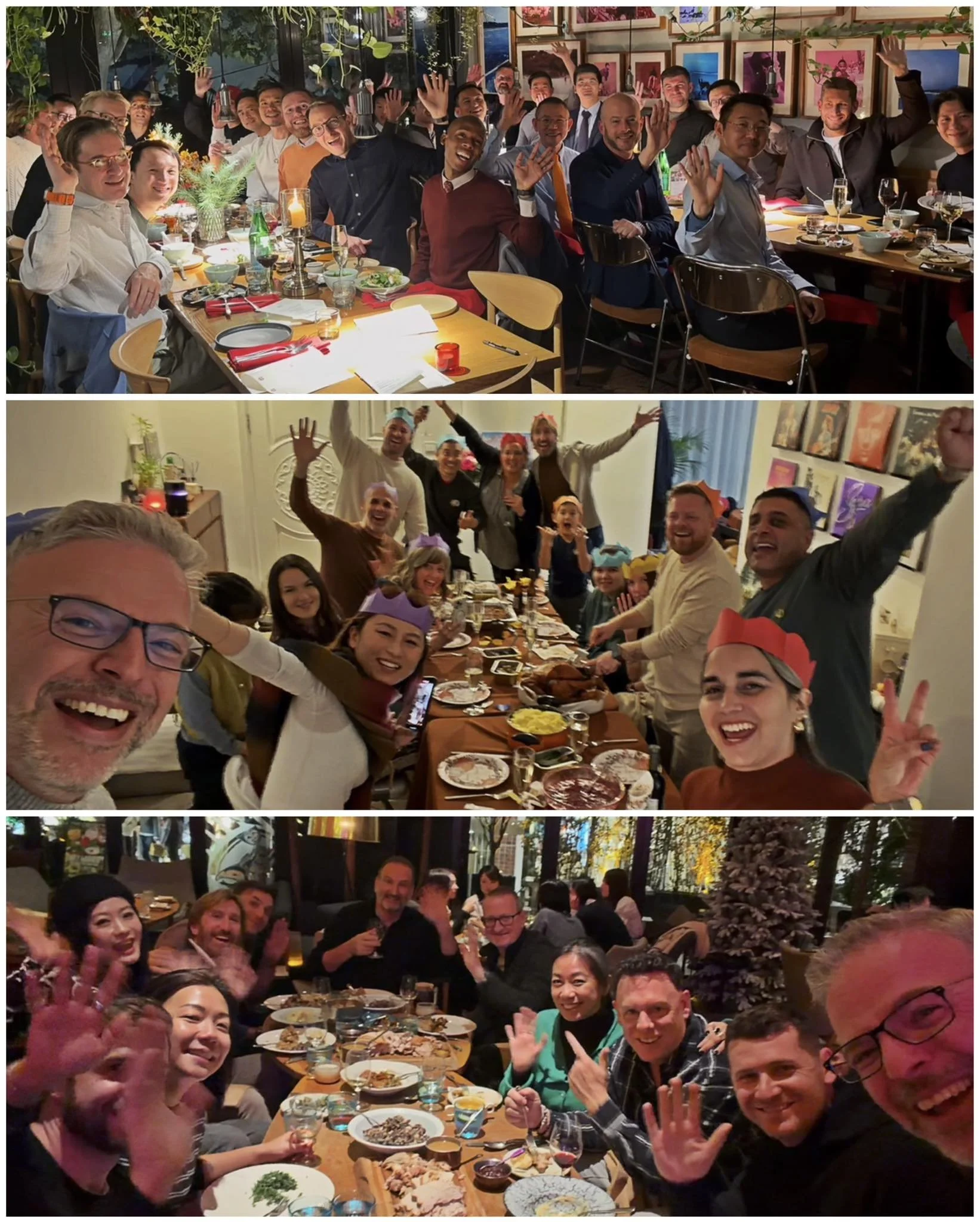
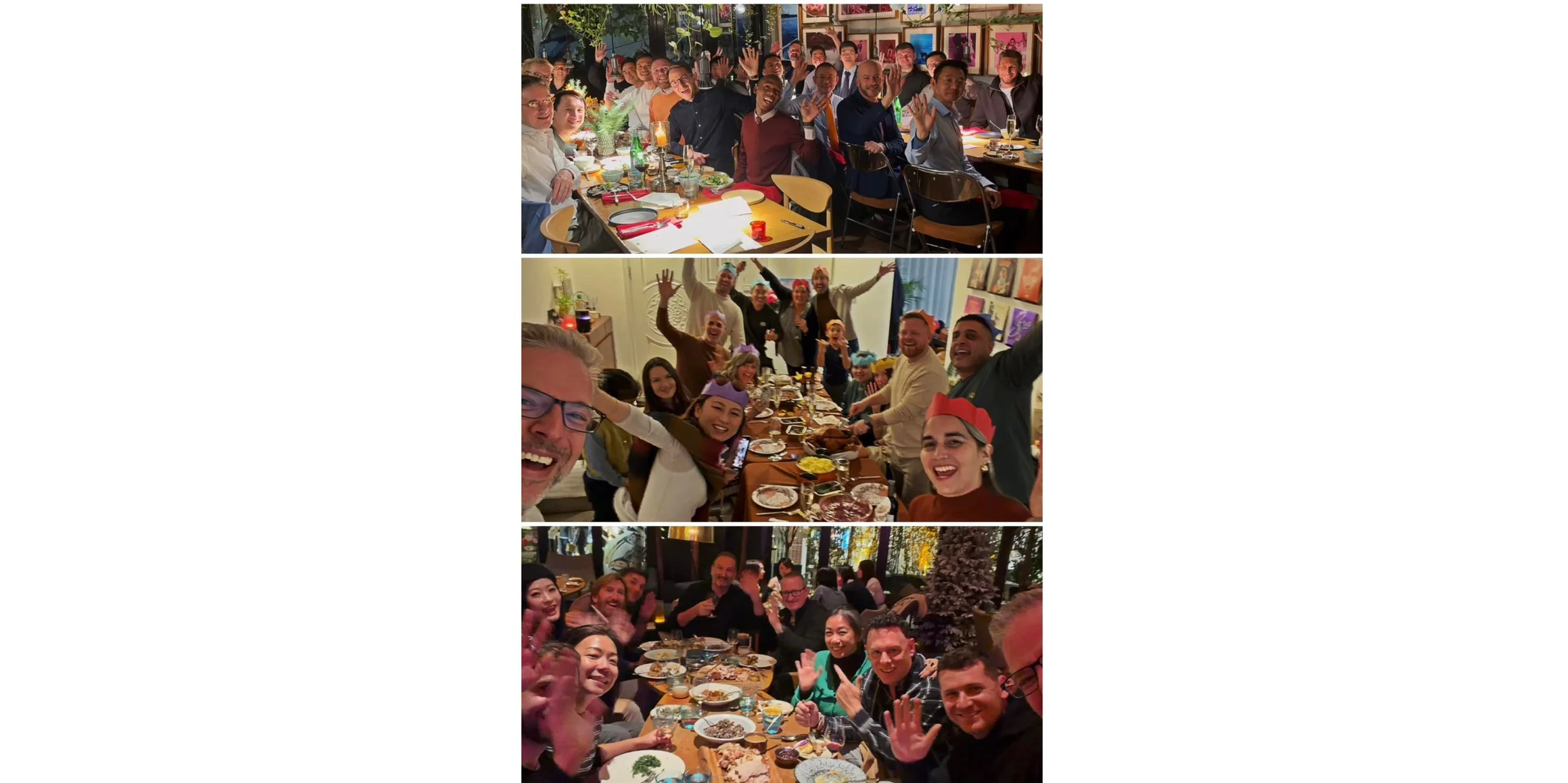
Three Thanksgiving meals in three days is a bit too much gratitude. But I do feel lucky getting to spend time with these lovely people in Shanghai. 🫶
Thinking in threes, I’ve recently been ruminating about the three types of relationship that have defined my experience as a “long-term foreigner”.
1) Relationship to locals.
Integrating into local communities is the most basic aspect of life as a foreigner. And yet it’s arguably the trickiest, especially if your partner is also foreign. I’ve been better at this in the past, like when I was young and single in Japan, or when I was an office employee in Singapore. But these days I think I’ve integrated quite poorly. I have a good number of Chinese acquaintances, and I love my everyday interactions with Chinese people of all descriptions. But deep and close friendships? Not many. Not enough. I attribute this to a combination of personal factors. But I could also substitute the word “factors” for the word “excuses”. I need to make more of an effort to nurture these friendships.
2) Relationship to other foreigners.
Belonging to networks of other foreigners is another key element to this long-term lifestyle. Because it’s grounding to match your specific life experience to those around you. Simple as that. And yet what makes these friendships highest in relatability can also be what makes them highest in unpredictability. Many don’t stay in the same place for extended periods. I’m grateful to be able to travel the world and catch up with a diaspora of international friends. But that’s a luxury. The plates that need the most regular spinning are the ones belonging to this category of relationship in Shanghai.
3) Relationship to authority.
At certain points in your existence you need to butt up against the authorities. These interactions are what help you understand the wider society in which you live. And how welcome you are. And what particular combination of control, competence and corruption makes things tick along in any one place. In an ideal world, the work of an authority figure should be like the work of a Hollywood movie editor. Their job is to keep the story running smoothly and cohesively, and if they’ve done their job correctly then you shouldn’t even notice them at all. And that’s all that I’m going to say about that.
I’m writing this as a “long-term foreigner”, but that’s the stealth phrase that I’m using for the word “immigrant”. Whether or not you relate to either identity, I hope that reading this helps you give a little extra grace to the foreigners in your midst.
For the Instagram version, see here.
For the Facebook version, see here.
For the LinkedIn version, see here.
For the Substack version, see here.
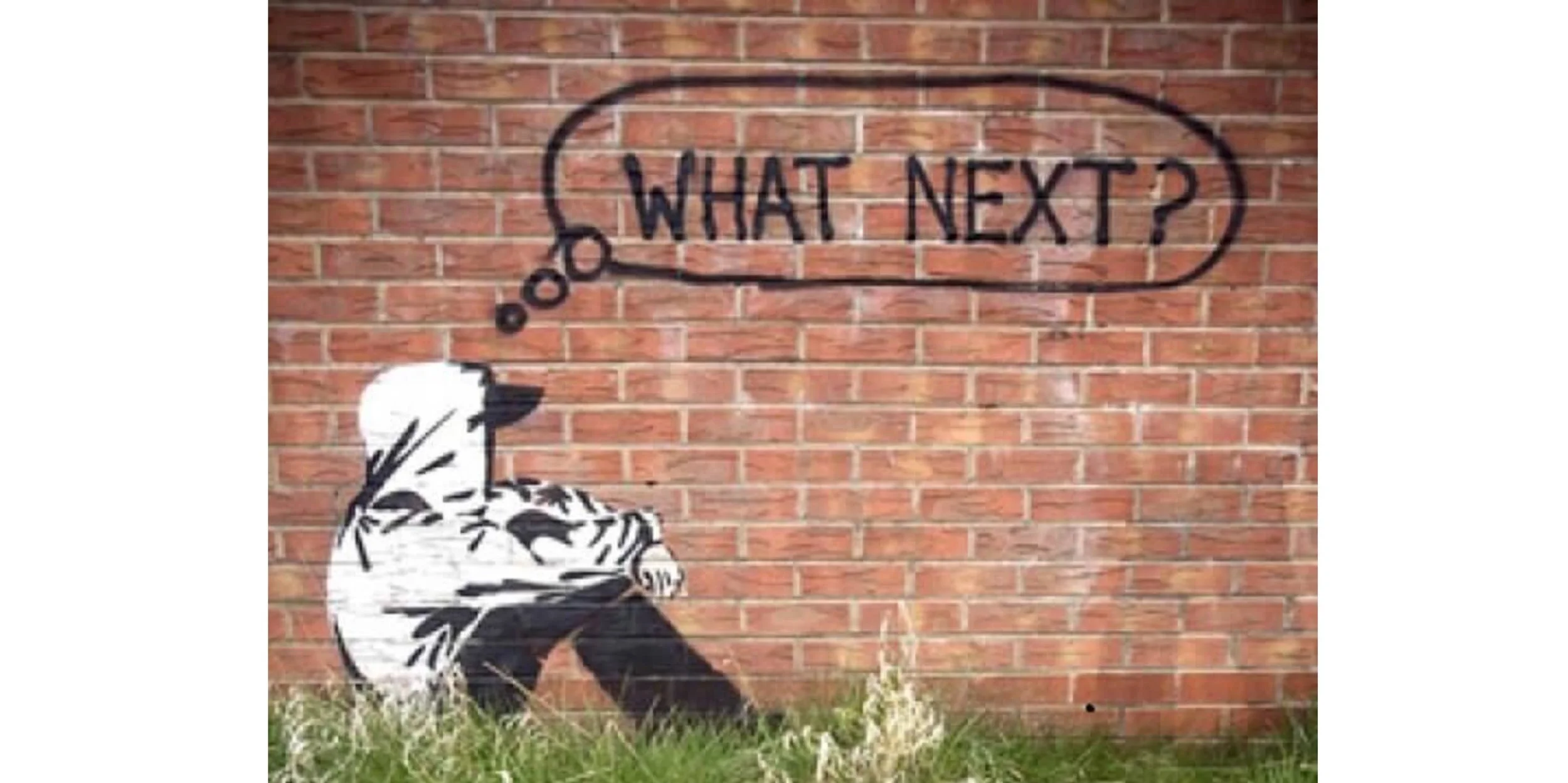
What Next?
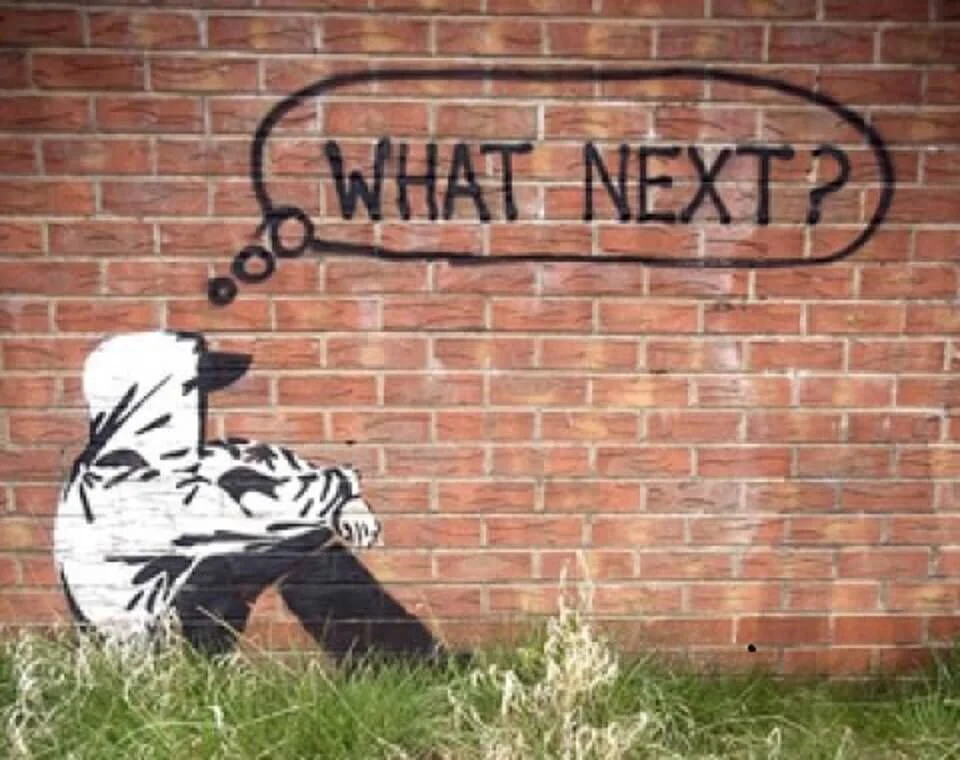
It’s nearly impossible to define a period while you’re sat right in it. But for us international folks in China, I would say that we’re all in a state of Chronic Contingency Planning.
When I first moved to Shanghai almost 10 years ago, the chapter in the book would read “The World Meets In China”. Why spend your life on a plane meeting clients at their Global Headquarters? Just sit in Shanghai and wait for them to inevitably come to you. That was a large part of the business case for me to be here in the first place. And now I find myself approaching a decade here, the longest I’ve spent in one place since I was a child.
Reflecting on the last six months, the chapter for today would read “What Happens Next?” My conversations with other foreigners are no longer repeatedly and concentratedly about how to manage China growth, China speed, China adaptation, China innovation. These days they are much more likely to veer onto the topics of overseas vacations, overseas promotion goals, overseas family and friendships, overseas retirement plans. We all continue to value our lives in China, and we’ve all chosen to stay here when many of our peers have left. But the razor sharp focus on China has gone. And I leave every conversation with the strong sense that all of us have one eye on the “What Next”.
On a personal note, I’ve been better than most in keeping up with the outside world, even as international platforms continue to be difficult to access from China. The Mosaic of China podcast has been an integral part of that, and I will continue to expand upon this project. But I’ve recently hit a mental block in releasing new episodes, and I attribute it to this state of Chronic Contingency Planning. Editing podcasts has become a joy in my life, I recommend it to anyone who needs to quieten their busy brains with hours of isolation and distraction. But these days I find myself needing to distract myself less, and spend more time crafting my own “What Next”. And it comes at a stage in my life when I’m also taking stock of a career spent making international connections, and re-engaging with the many people who have helped me reach this point.
It’s most likely that the answer to my own “What Next?” will be to continue as is for now. I still enjoy my life in Shanghai, both the rough and the smooth. But I’ve needed to take the time to make sure this is an actual choice, rather than just standing on the conveyor belt of the status quo. It’s taken weeks of self-examination to reach this point, but the words I’ve written today suddenly came to me fully formed when I woke up this morning. So I’m sharing them here in the hope that they resonate with you, whether you’re reading them in China or not.
For the Instagram version, see here.
For the Facebook version, see here.
For the LinkedIn version, see here.
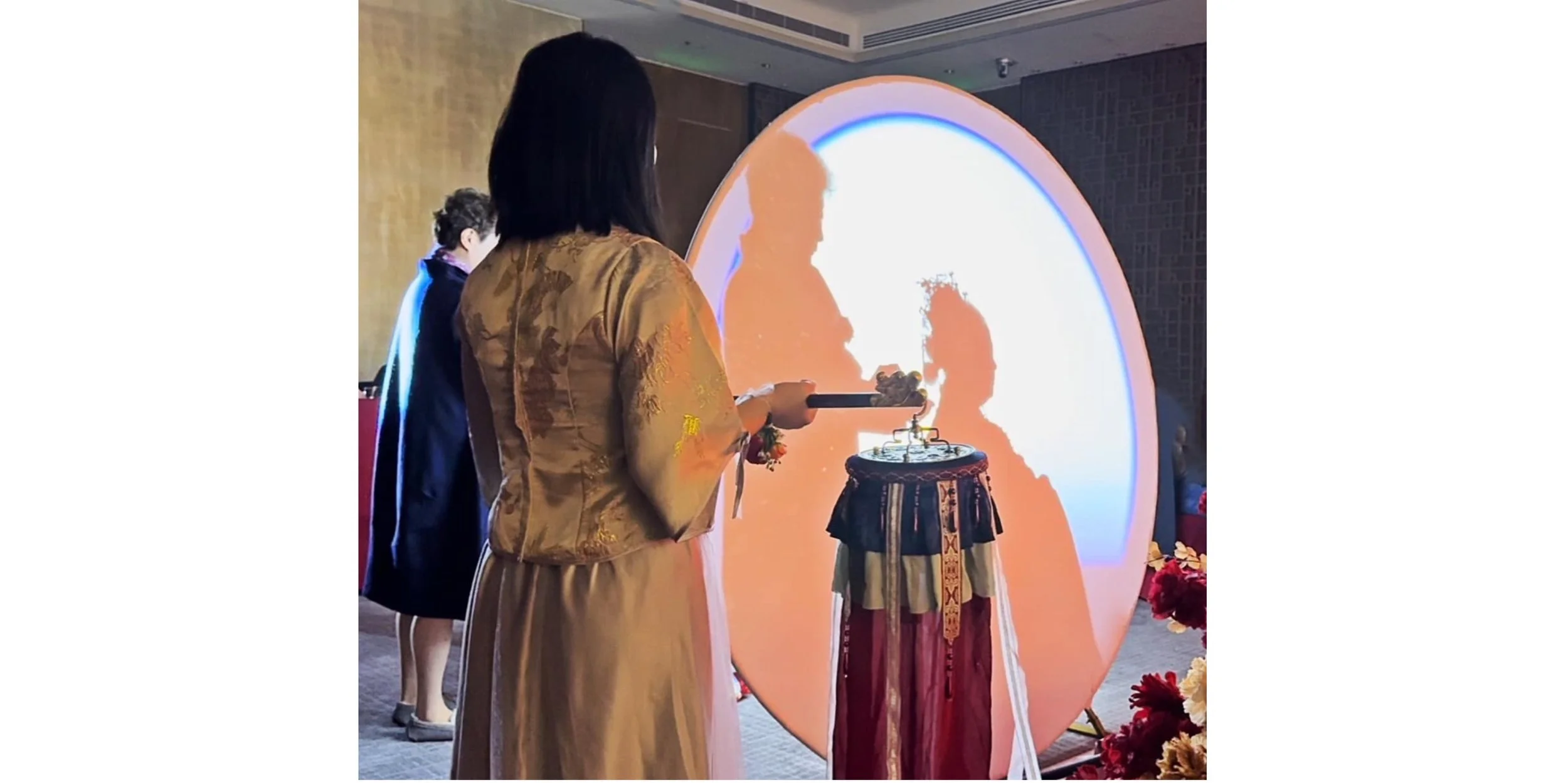
Cultural Appropriation in China?
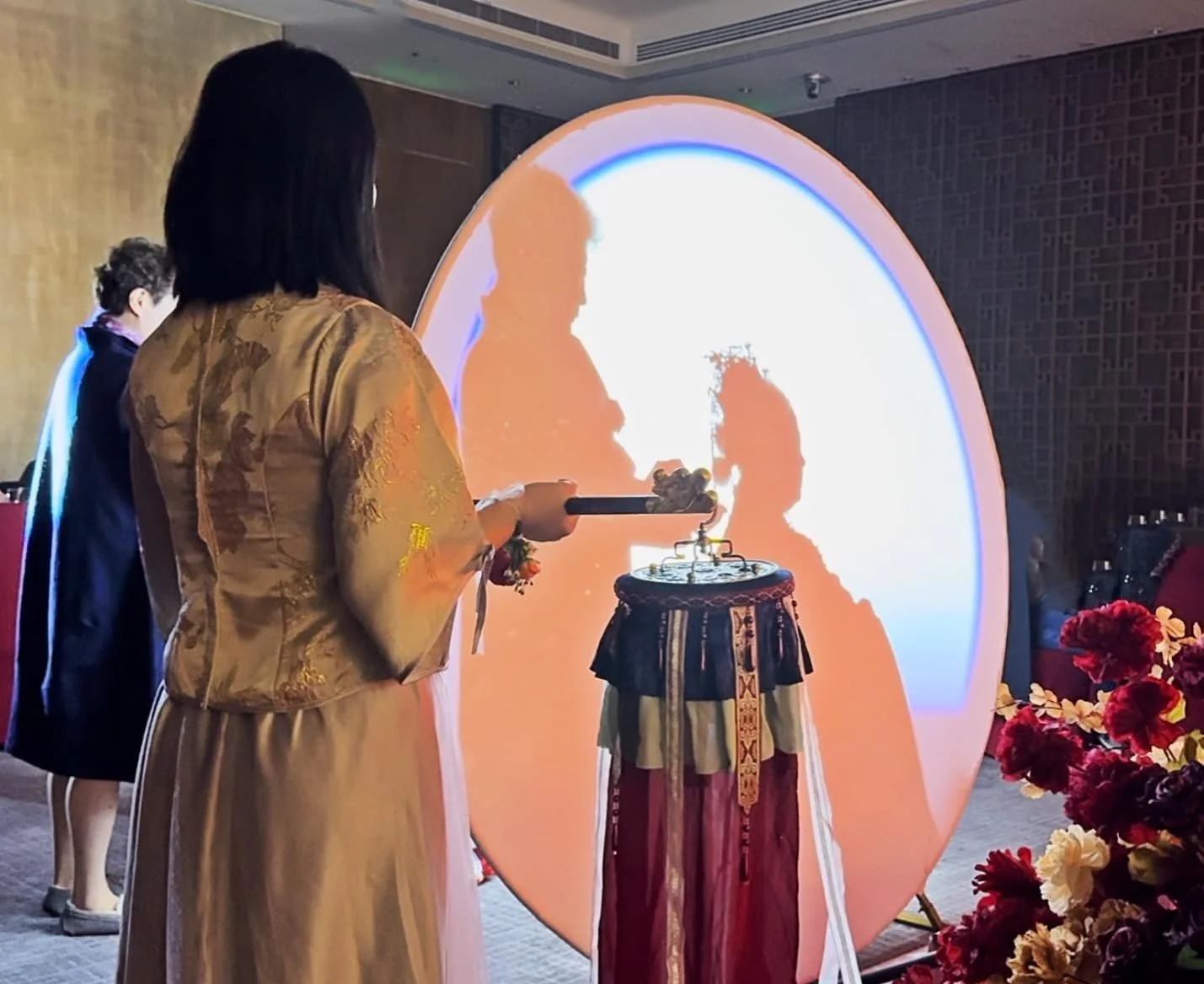
Living in China is the best way to ensure that your life is spent constantly tying yourself up into intellectual knots. My ‘quandary of the week’ this week was about cultural appropriation.
Let me set the scene. Cultural appropriation is a situation where someone from a dominant position in society inappropriately adopts a tradition from someone in a less dominant position. And we all know what this means through a European/American lens, a white person there is clearly trespassing on someone else’s culture if they inappropriately wear afro wigs, Sikh turbans or Native American headdresses, for example. But I can potentially see plenty of grey areas to this too. For example, is it cultural appropriation when someone who speaks with an accent from a more affluent part of a country adopts a regional accent from elsewhere? Or what about when a white person becomes a fan of hip hop - with its specific African American historical context - and then starts wearing clothes associated with that style? I guess the key aspect is in what kind of adoption is deemed ‘appropriate’ and ‘inappropriate’, and we can all see how these definitions can change as society progresses… or regresses.
In China, there’s an academic term for cultural appropriation, it’s 文化挪用 [wénhuà nuóyòng]. This is way above my conversational pay grade, so I have no idea how many people even know this oblique reference. I asked a few Mainlanders, Hongkongers and Taiwanese people in my circle, and even the ones who knew it didn’t really think it applied to China. So although the dominant culture here is the Han, there’s no reckoning that a Chinese Han person wearing clothes from a minority ethnicity could be deemed intrinsically inappropriate or offensive.
It is common practice here for Han Chinese tourists to take photos of themselves in local costumes when they visit areas populated by ethnic minorities. The people I asked told me that they wouldn’t associate this with the concept of cultural appropriation, and that the behaviour of the wearer was based on respectful curiosity, thousands of years of cultural intermingling, and a genuine appreciation of the aesthetic beauty of the garments. When I asked about what the minority ethnicities themselves might think about this, for most people it was the first time they had thought about it in that way. The ones who answered did so confidently, saying that the ethnic minorities aren’t offended. At the very worst, it was a kind of Chinese ‘cosplay’ done out of reverence rather than mockery.
It’s a tricky one to figure out, because China exists outside the specific history of colonialism and slavery that typifies the way we look at cultural appropriation in Europe and the Americas. So it’s inaccurate to do a like-for-like comparison, and I try not to impose my own cultural baggage onto anyone else. What muddies the waters further is that the government in China has made a point of pushing the narrative of 和谐 [‘harmony’] between Han Chinese and the other 55 officially-recognised ethnicities in China, so anything that speaks against this is seen as political sacrilege. So there’s zero chance that I could witness an open debate about this, even if my Mandarin skills were up to it. Which they most definitely aren’t.
Now we’re getting to my quandary of the week. We had been invited to a traditional Chinese wedding, which in itself is quite rare in Shanghai. Most people these days have modern weddings which would be recognisable to anyone around the world. But this was very different, the bridal party were all dressed in amazing traditional attire and performed a variety of ceremonies that harked back to rites of old. So in a way, the wedding was a sort of traditional Chinese ‘cosplay’, where our fellow Chinese guests were dazzled to a rare experience in just the same way as we were. With this in mind, we had been told that the bride would appreciate if we respected the occasion, and were encouraged to wear formal Chinese attire.
I’ve lived in China for almost a decade, and have made a point of never wearing anything traditionally ‘Chinese’, lest it be misconstrued as a disrespect to my host country. Yet we were convinced that this was clearly a case of ‘appropriateness’, so we bit the bullet and got some Chinese-style suits made. That would have been the end of this anecdote, were it not for what happened on the night of the wedding. Luckily we arrived early, so we were able to see guests as they trickled into the venue. And it soon became clear that there had been a massive miscommunication. None of the other guests were wearing anything approaching traditional Chinese clothing. In fact, many of them appeared to be wearing clothes that they had worn earlier that day. We’re talking jeans, even sweatpants. Meanwhile I was sat there looking like a poor imitation of Sun Yat-Sen.
We solved the issue by quickly removing our jackets, and we were able to blend in with the other guests a little easier. But not before we were noticed by the bride and groom themselves, who both greeted us with straight faces. One day I would like to get them drunk and ask them what they truly thought about our ridiculous appearance. I hope it will become a funny family anecdote that they can tell their kids in the future. But until then I will add this to the countless other embarrassments that seem to have constituted my life up till today.
If there is any moral to this story, let it be this. The definition of cultural appropriation can indeed change over time, perhaps even in China. Sometimes it takes a generation, and sometimes it literally takes FIVE MINUTES OF TESTICLE-SHRINKING TORTURE. So when in doubt, don’t be an arse, and wear your regular clothes.
For the Instagram version, see here.
For the Facebook version, see here.
For the LinkedIn version, see here.
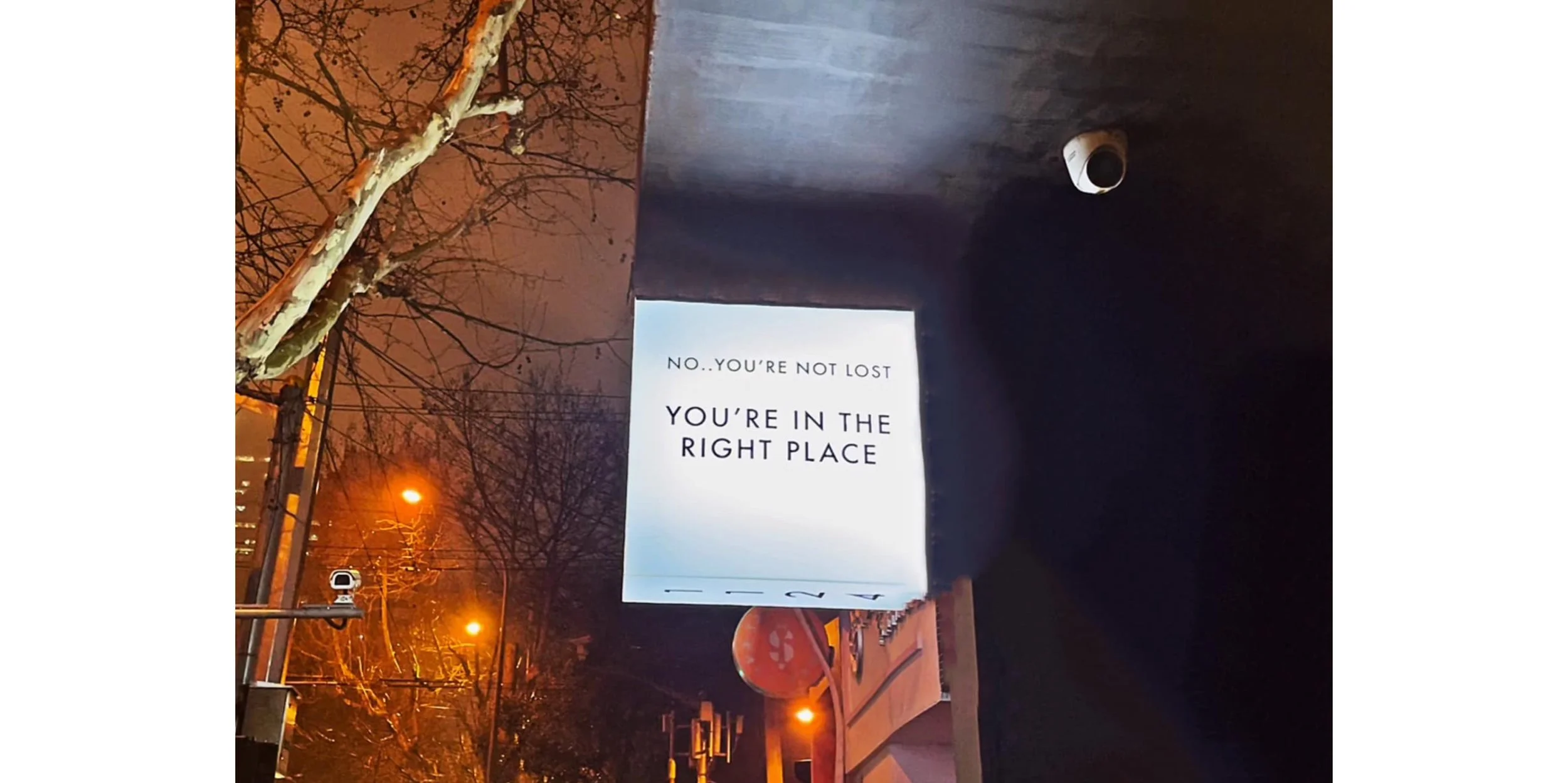
You're In The Right Place
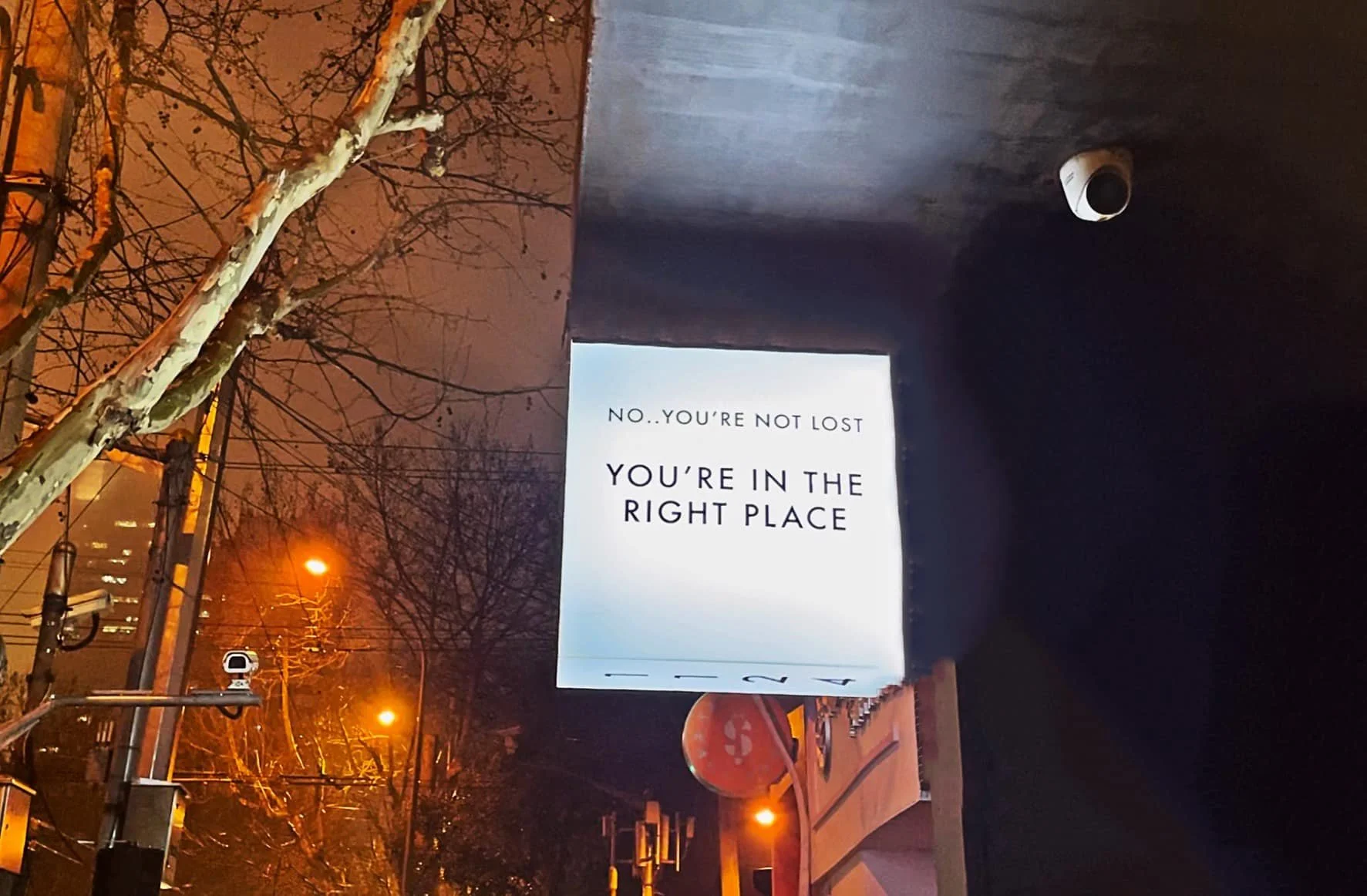
This week marks one year since the beginning of the Shanghai citywide lockdown. 🔒🏙️
Shanghai today has now fully re-opened to visitors. The streets are busy with tourists, and smiles are returning. Long-term planning has started to creep into our consciousness again, which is a stark contrast to our day-by-day existence one year ago. So does it feel like normalcy has returned?
To those who can finally visit us in Shanghai, it probably seems that way. But for those of us who’ve been here the whole time, I feel like we’re only now beginning to process our feelings towards this city, and what we want our lives to look like from now on. Relationship status: It’s complicated.
As for Denny and me, we’re still doing well, and we’re still holding on to the same sense of adventure that first brought us here 8 years ago. But I’m also aware that I’m not posting as much on social media as I used to, which has got me thinking about why that was. Maybe I’m just used to this city, and don’t feel like sharing what has these days become so familiar. Maybe that’s it. Maybe. Whatever’s going on, I’m glad that there are still occasions when I look up and see something I haven’t noticed before, and feel inspired to share some thoughts.
I’m sure these are feelings that many people would have experienced at some point over the last year. So if you’re one of those people, I hope you’re well. I hope you’re in the right place. And if you’re not entirely sure, then maybe that’s OK too. Just remember to look up every now and again, and see what signs present themselves. 🙄
For the Instagram version, see here.
For the Facebook version, see here.
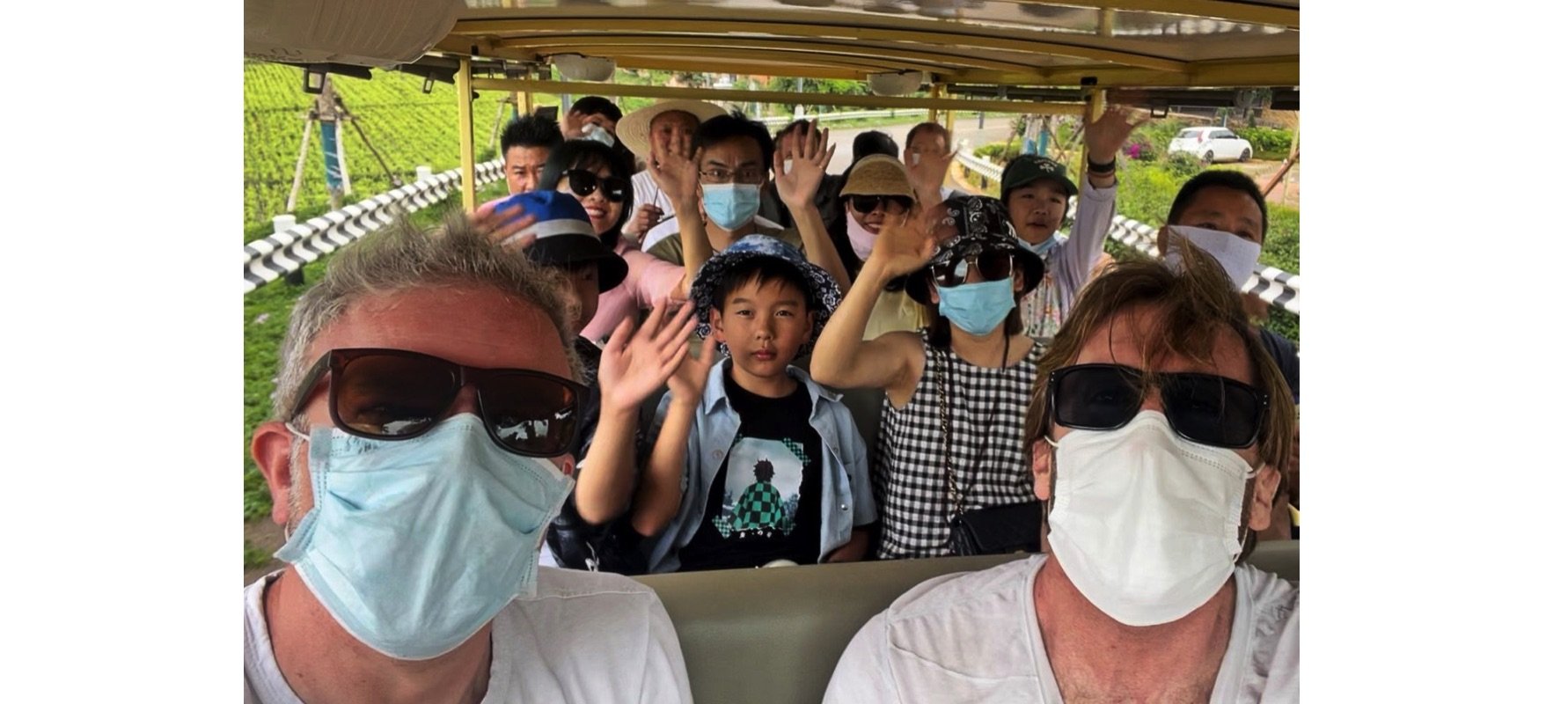
The Humanising Effect of the Well-timed Selfie
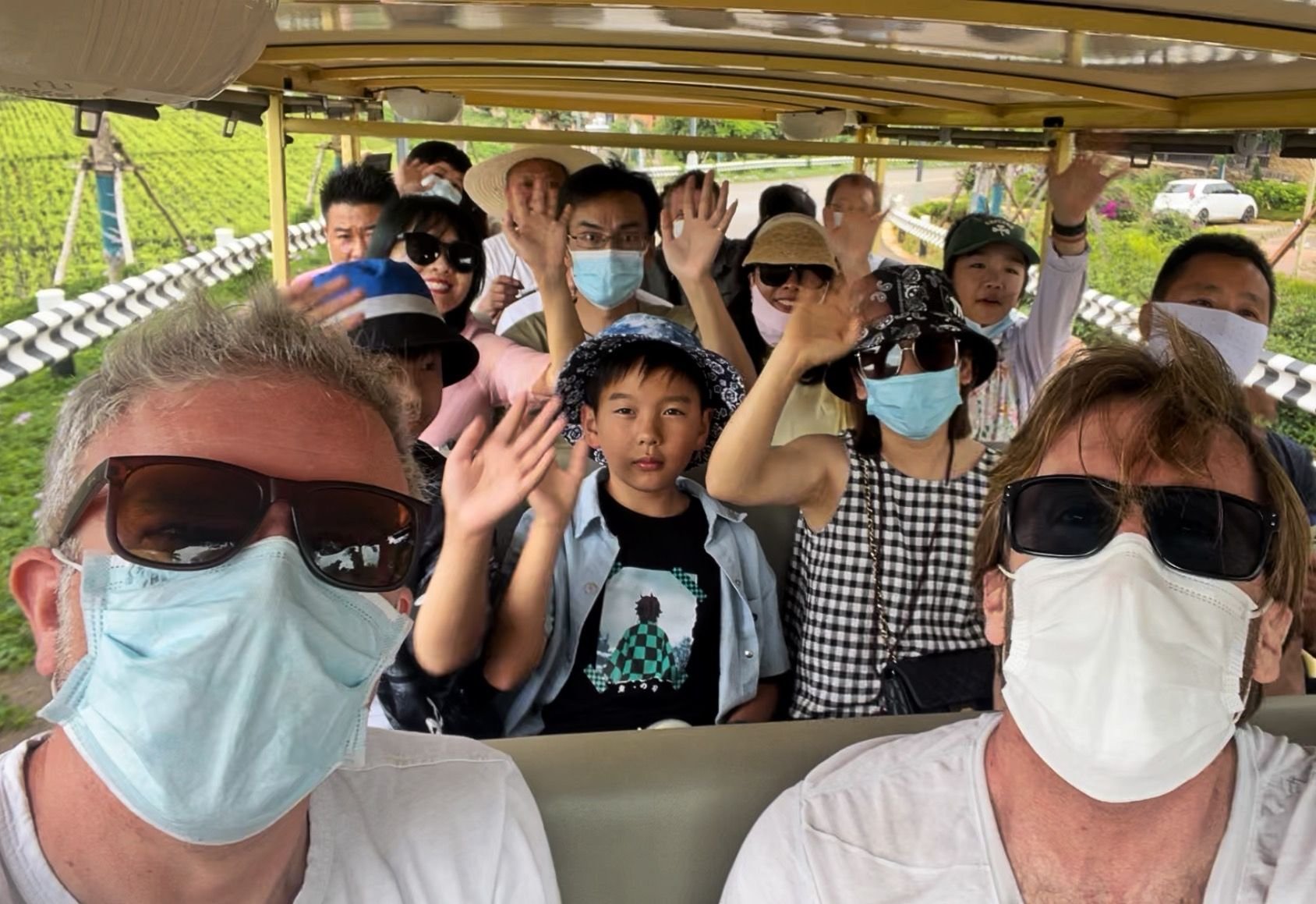
I’m posting this photo from an excursion I took in South-West China just yesterday. Before raising my camera, the people on this tourist bus were keeping to themselves. Afterwards, the whole bus erupted into joyful waves and shouts of “hello” in English.
Yes, the timing of this photo coincides with the Chinese government’s belligerent response to Pelosi’s provocative touchdown in Taiwan. Yes, there is a strand of disgusting ugly nationalism that is on the ascendancy in China, just as it is in many other parts of the world. But I’m posting this for the simple purpose to remind everyone that we should never equate a regime to its people. And we should never let the shrill voices of populists and isolationists deafen us to the humanity of others.
For the LinkedIn version, see here.

Alamak! SPR RIP 2006-2022

Alamak! Today marks the end of my status as a Singapore Permanent Resident. SPR RIP 2006-2022. 🇸🇬🙏
Filing my final paperwork here at the Singapore Consulate in Shanghai, I couldn’t help but reminisce about what this status has meant to me over the years. Buying and selling two properties, setting up two companies, getting a driving license, employing three domestic workers, raising two dogs, the list goes on.
I haven’t lived there since 2012, but I will always consider Singapore to be a home from home. I will always have unquenchable cravings for mee siam, nasi padang, roti prata and ais kacang. And I will always remember the meanings of MRT, ERP, CBD, PIE, HDB, PAP, LTA, and - now most importantly - CPF.
As a fitting accompaniment to this event, Shanghai offered up a blazing 39℃ afternoon. So I marked the occasion with a sweaty walk home in the sun, a smile on my face and a twinkle in my eye.
Wa seng zao liao! See you again soon, Singapore.
For the Instagram version, see here.
For the Facebook version, see here.
For the LinkedIn version, see here.
An Impressive but Unsustainable Spectacle

So we’ve received a ticket which allows one person per household outside our residential compound for a few hours each day. And what greets us there is a facsimile of normal life. The streets are beginning to fill with people, one or two shops have started to open, and makeshift hair salons have popped up on every other corner. Back at home, things are also looking a little closer to normal. As supplies have started to become easier to obtain, we’ve slowly been emptying the fridge of ‘essentials’ and letting it fall back into its natural state: as a receptacle for alcohol mixers and neglected jars of condiments.
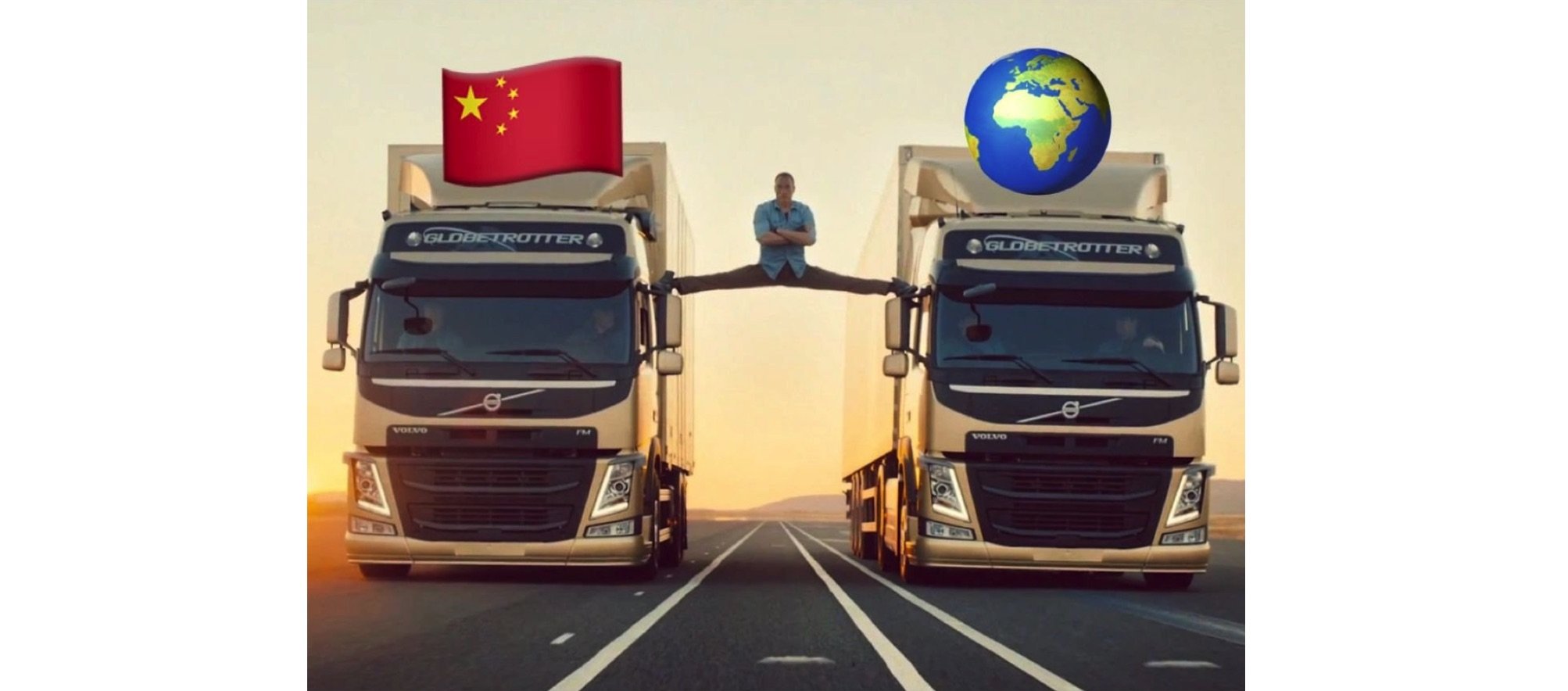
It feels like we’re finally coming to the end of our Shanghai lockdown story. When the dust has completely settled on the world’s response to the pandemic, we can have a grand debate about the chaos of freedom versus the tyranny of protection. But right now, the key verdict on the last three months is that China remains in zero-rush to relax its zero-COVID policy, exhibiting zero-interest in reintegrating into the rest of the world. So international folks will continue having a tough time trying to keep one foot in China and the other elsewhere. At this point we’re all Jean-Claude Van-Damme doing the splits on two slowly diverging Volvo trucks. An impressive spectacle, but not one that can be sustained forever.
For the last few weeks, I’ve been focusing most of my creative energy on writing these Shanghai updates for Denny and me. I’ve taken pains to strike a personal and balanced tone, being truthful to our own experience while trying not to misrepresent the experiences of others. This phase is now coming to an end, and I will soon pivot back to my usual creative outlet of producing the Mosaic of China podcast. I’m much more comfortable being a conduit for other people’s voices rather than dominating the full bandwidth with my own. But what will remain constant are the details about life in China that you usually can’t find anywhere else. Thank you for following our lockdown story. Hopefully from now on I’ll be back to posting with a little more variety, a little less frequency, and a lot less intensity.
For the Instagram version, see here.
For the Facebook version, see here.
For the LinkedIn version, see here.

Who's That Boy?
I first stepped foot in Asia exactly 20 years ago, for a one-year adventure teaching English in Western Japan. The boy in this photo is still on his adventure.
私はちょうど20年前にアジアに足を踏み入れました,西日本で英語を教える1年間の冒険でした。この写真の中の少年はまだ冒険中です。
20年前,我第一次踏上亚洲,在日本西部进行为期一年的英语教学。这张照片中的男孩还在冒险。


My Left-Handed ‘Handicap’

In my first week of living in rural Japan back in 1999, I was called ‘handicapped’ for attempting to write Japanese characters with my left hand. Some 20 years on, I now find myself in Shanghai, writing up my Chinese revision notes with the same handicap.
Out of all the things that still fascinate me about living in Asia, the one thing about which I would write a thesis is the treatment of left-handedness in Japan and China.

The Letters A and U
A story about language, family and identity. Performed live at the Unravel storytelling event in Shanghai, Jun 2018.

The was easily one of the most nerve-wracking evenings of my life. But I’m glad that these stories are now preserved somewhere in the ether.
Notes and corrections:
Despite what you may think you hear, there are no rude words in this video. All the same, it’s probably not suitable for work or kids.
The first time I use the word ‘Homogeneous’, I meant to say the opposite word ‘Diverse’. Whoops.
I know, I know, Hungarians aren’t Slavs.
Kabanos is a Polish pork sausage.
#JáTaké is Czech for #MeToo.
風穴先生 (Kazaana-Sensei) actually spoke great English. I used her to represent how the students sounded.
I mistakenly inserted the caption ‘Unraveled’, but the storytelling series is actually called ‘Unravel’. See www.unravelstorytelling.com.
For the YouTube version, see here.
For the Facebook version, see here.
For the Instagram version, see here.

Should We Stop Using the Word ‘Expat’?
I’m always wary when someone is referred to as an expat. It’s a term still commonly used by Human Resources professionals to refer to employees who have been sent on assignment overseas. But maybe it’s time to stop using this word altogether.

The Ickiness
My biggest complaint is the neo-colonial aspect to the word itself. It has been great to see how employees from every corner of the world have now been expatriated from their home countries. Let’s send more qualified Kenyans to Kuwait; Vietnamese to Venezuela. But to me there’s still a congenital ‘whiteness’ about the word. Why am I an expat, but a builder from Bangladesh is a migrant worker? Aren’t we both just different kinds of economic migrant?
The Detachment
Referring to an international assignee as an expat can create a barrier between themselves and the people around them. The title becomes an excuse for them to disassociate themselves with their office surroundings, and not truly engage with their host environment. It lets them group themselves with other ‘expats’, define themselves by their differentness, and engender an us-versus-them mentality. Before long, when an ‘expat’ has a bad day they might say ‘I hate this country’, rather than say… ‘I’m having a bad day’.
The Ego
The term brings with it a sense of elitism and entitlement. A company should certainly help an international assignee with their lives, be it getting through the pain of relocation, helping with schooling costs, or advising on tax issues. But referring to the assignee as an expat adds an extra layer of status, which once given can be hard to retract. The next generation of internationally-mobile employees should be taught that an assignment is just part of their job description, not a perk, nor a badge of honour.
I was inspired to write this article in part because I hear a loud drumbeat of nativism around the world, especially tied in with anti-immigration sentiments. I’m personally the son of political refugees, and have been an economic migrant in Asia for over a decade. I also believe that a migrant should do their best to assimilate into the fabric of their new society. But it never escapes my attention that we have double standards for migrants in the West versus Western migrants living in the East. To some extent, global multinationals and HR leaders can help to reconcile this double standard by limiting the use of this term.
What are your thoughts? If you agree, what terminology would you suggest we use? Do you disagree, and am I just yet another hapless victim of political correctness? Do you have any stories of ‘Expats behaving badly’? Your answers and comments gratefully received!
For the LinkedIn version, see here.
For the Facebook version, see here.

