The Relationships of a "Long-Term Foreigner"
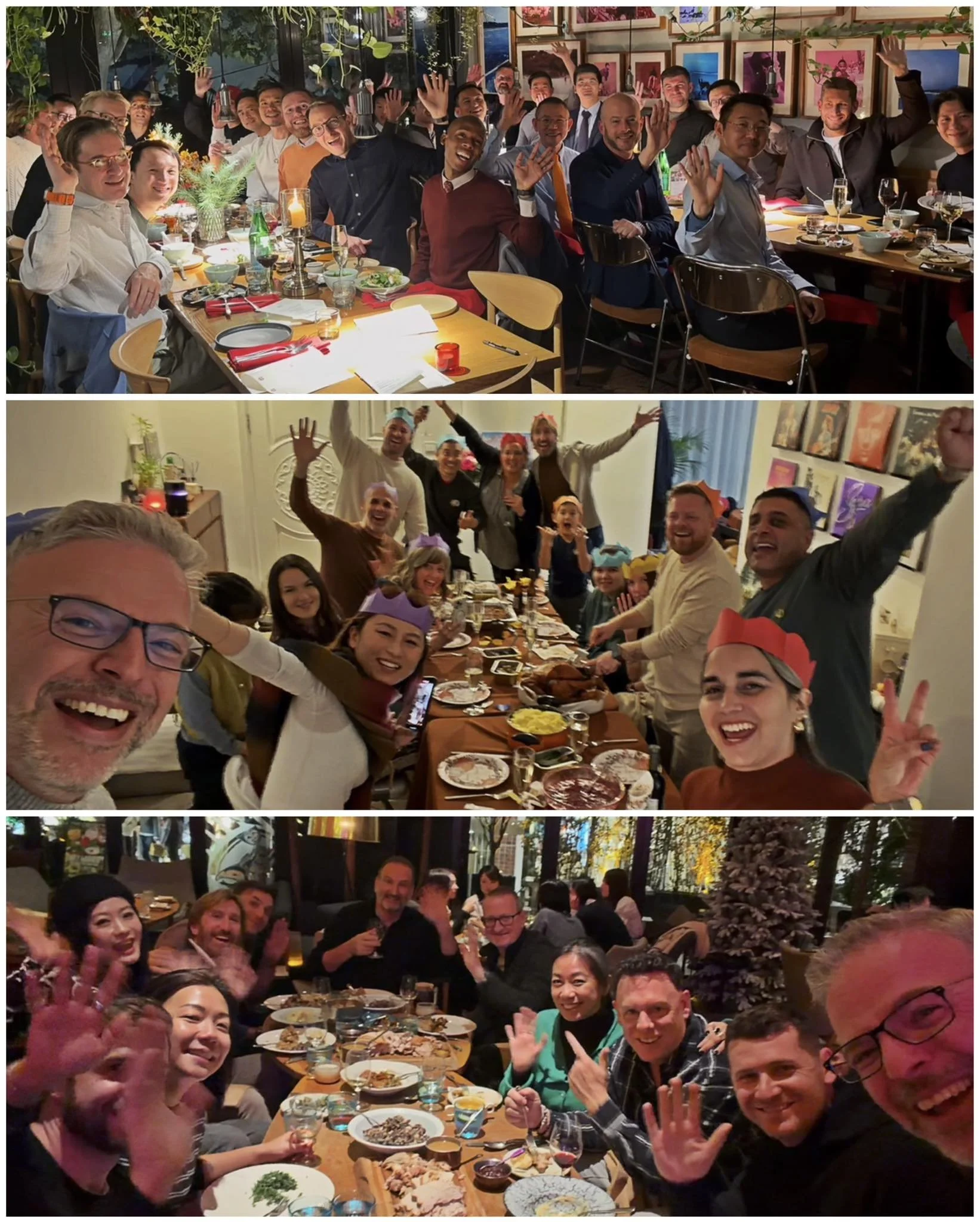
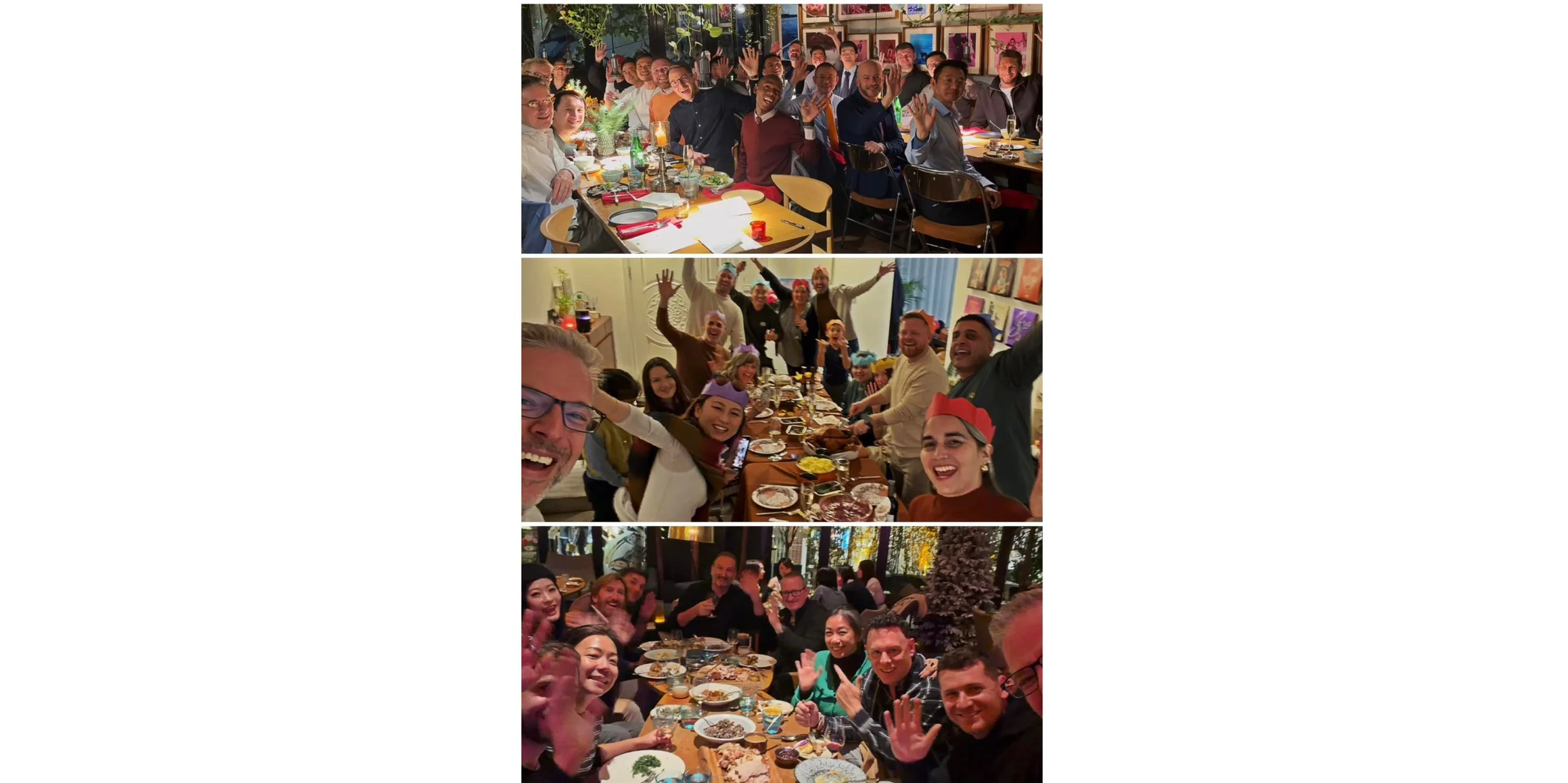
Three Thanksgiving meals in three days is a bit too much gratitude. But I do feel lucky getting to spend time with these lovely people in Shanghai. 🫶
Thinking in threes, I’ve recently been ruminating about the three types of relationship that have defined my experience as a “long-term foreigner”.
1) Relationship to locals.
Integrating into local communities is the most basic aspect of life as a foreigner. And yet it’s arguably the trickiest, especially if your partner is also foreign. I’ve been better at this in the past, like when I was young and single in Japan, or when I was an office employee in Singapore. But these days I think I’ve integrated quite poorly. I have a good number of Chinese acquaintances, and I love my everyday interactions with Chinese people of all descriptions. But deep and close friendships? Not many. Not enough. I attribute this to a combination of personal factors. But I could also substitute the word “factors” for the word “excuses”. I need to make more of an effort to nurture these friendships.
2) Relationship to other foreigners.
Belonging to networks of other foreigners is another key element to this long-term lifestyle. Because it’s grounding to match your specific life experience to those around you. Simple as that. And yet what makes these friendships highest in relatability can also be what makes them highest in unpredictability. Many don’t stay in the same place for extended periods. I’m grateful to be able to travel the world and catch up with a diaspora of international friends. But that’s a luxury. The plates that need the most regular spinning are the ones belonging to this category of relationship in Shanghai.
3) Relationship to authority.
At certain points in your existence you need to butt up against the authorities. These interactions are what help you understand the wider society in which you live. And how welcome you are. And what particular combination of control, competence and corruption makes things tick along in any one place. In an ideal world, the work of an authority figure should be like the work of a Hollywood movie editor. Their job is to keep the story running smoothly and cohesively, and if they’ve done their job correctly then you shouldn’t even notice them at all. And that’s all that I’m going to say about that.
I’m writing this as a “long-term foreigner”, but that’s the stealth phrase that I’m using for the word “immigrant”. Whether or not you relate to either identity, I hope that reading this helps you give a little extra grace to the foreigners in your midst.
For the Instagram version, see here.
For the Facebook version, see here.
For the LinkedIn version, see here.
For the Substack version, see here.
High-Functioning ADHD
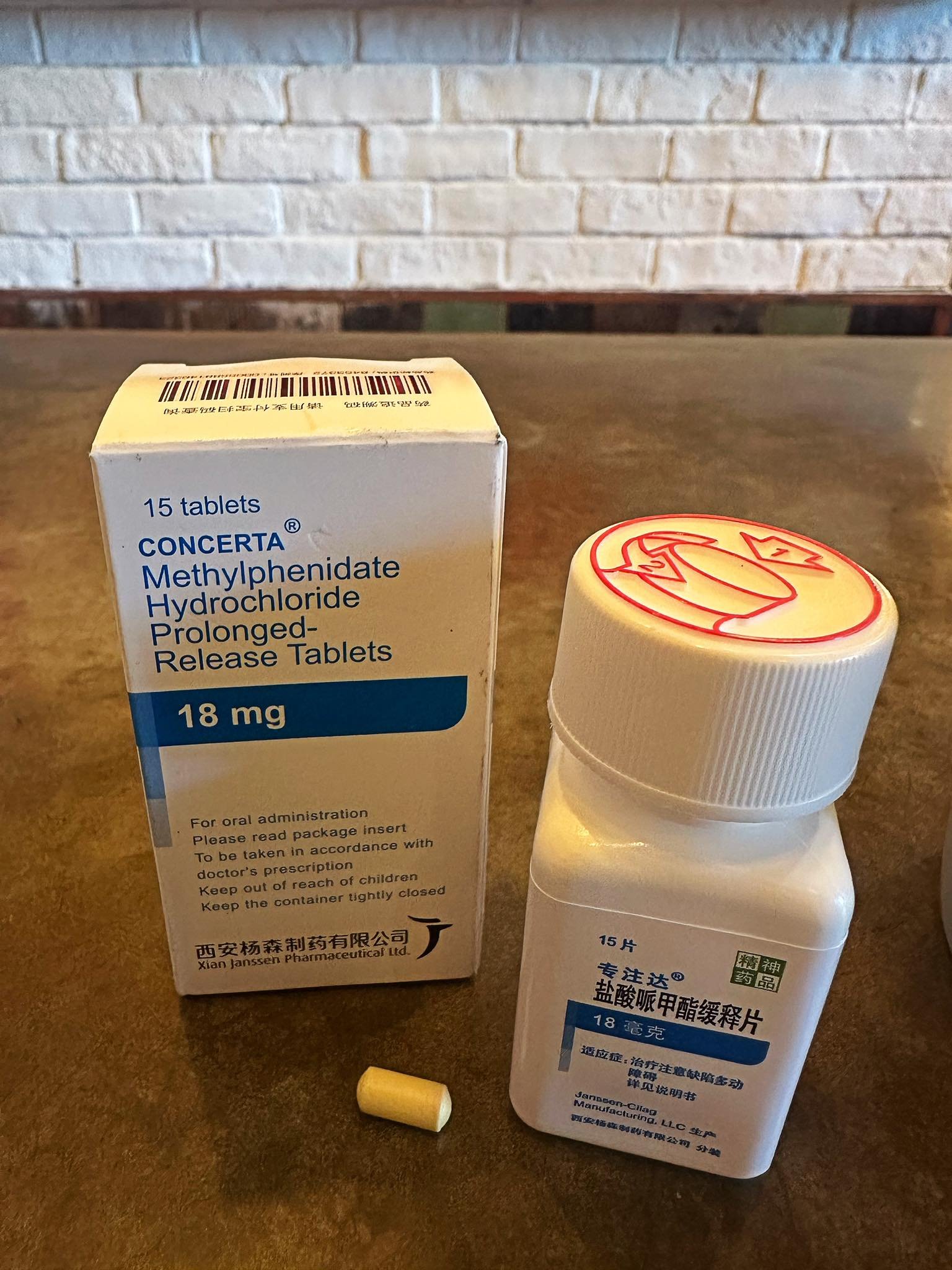
After putting it off for years now, I finally went to a specialist in Shanghai and got officially diagnosed with ADHD. At this point it came as no surprise to me whatsoever, but that’s because I’ve learnt what high-functioning ADHD actually looks like. So before you jump in with the thought “isn’t everyone attention deficit these days?” (which is exactly how I first reacted), see this list of symptoms. You may think a few of them are relatable. But if, like me, you’re off the scale on all seven, then you might want to embark on the same research journey that has led me here.
1. Overcompensation through perfectionism - using strict organisation systems to cover for inadequacies, and obsessing over small details to avoid mistakes.
2. “All-or-nothing” productivity - alternating between hyperfocus and avoidance. Avoidance (and burnout) often mistaken for mild depression.
3. High creativity and idea generation, coupled with a baseline level of inconsistency - achieving great results but not always on a reliable basis.
4. Strong verbal or social skills - masking inattentiveness or impulsivity by being articulate, charming, or funny.
5. Emotional sensitivity - a hypervigilance to rejection, and also prone to impatience and frustration. Often mistaken for anxiety or mild bipolar.
6. Obsession with fairness - perceiving injustice more frequently and intensely, and showing stronger emotional and behavioural responses.
7. Chronic self-criticism - a sense of “I should be doing better,” despite good external achievements.
In short, I’ve seen it defined as “Someone who appears successful but is secretly exhausted from keeping all the plates spinning. They may not fit the stereotype of hyperactive and distracted, but underneath there’s a lifelong struggle with attention regulation, impulsivity, and time management - hidden behind effort, intelligence, or external structure.”
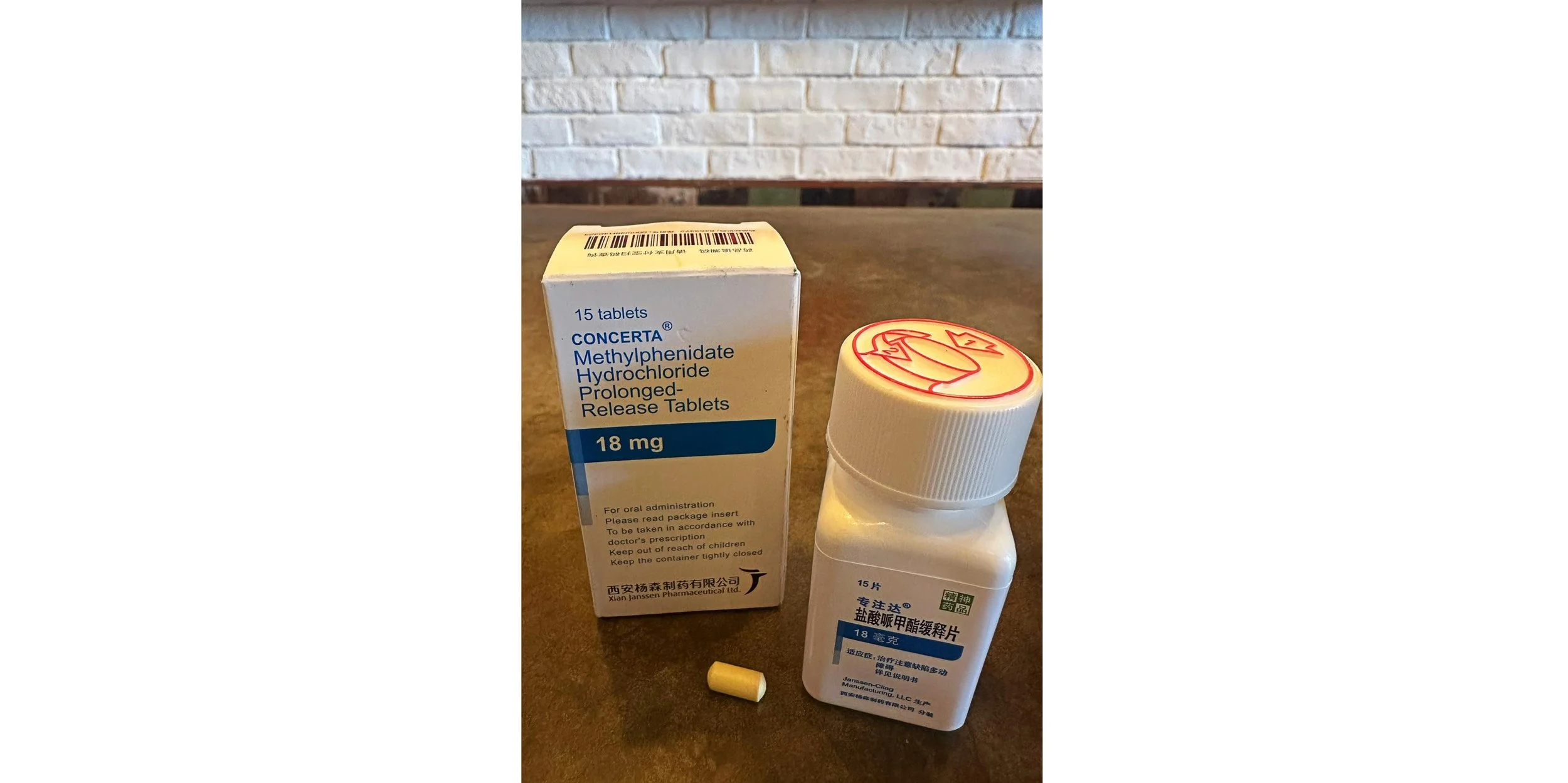
I still have many of the signs of classic ADHD: the excitability, the irritability, the forgetfulness, the oversharing, the trouble with auditory processing, the intrusive thoughts on constant loop. But this high-functioning version is all about laboriously trying to conform to the norm, and masking the feeling of shame about your true nature. That’s an all-too-familiar feeling for a gay guy who grew up in the eighties. So I’ve decided to “come out” today. To help spread awareness, and also to be totally honest and accountable to myself. Pictured is the trial course of medication I’ve just been prescribed, but I don’t think I’ll continue. Partly because I don’t need to be consistently productive these days, and I’m already regulating myself with a daily dose of self-awareness. But also because China has assigned this drug as a class one controlled substance, requiring regular face and passport scans to procure very small amounts at a time. And you don’t need ADHD to have zero patience for that… 😬
For the Instagram version, see here.
For the Facebook version, see here.
For the LinkedIn version, see here.
Ten Years of One Seconds
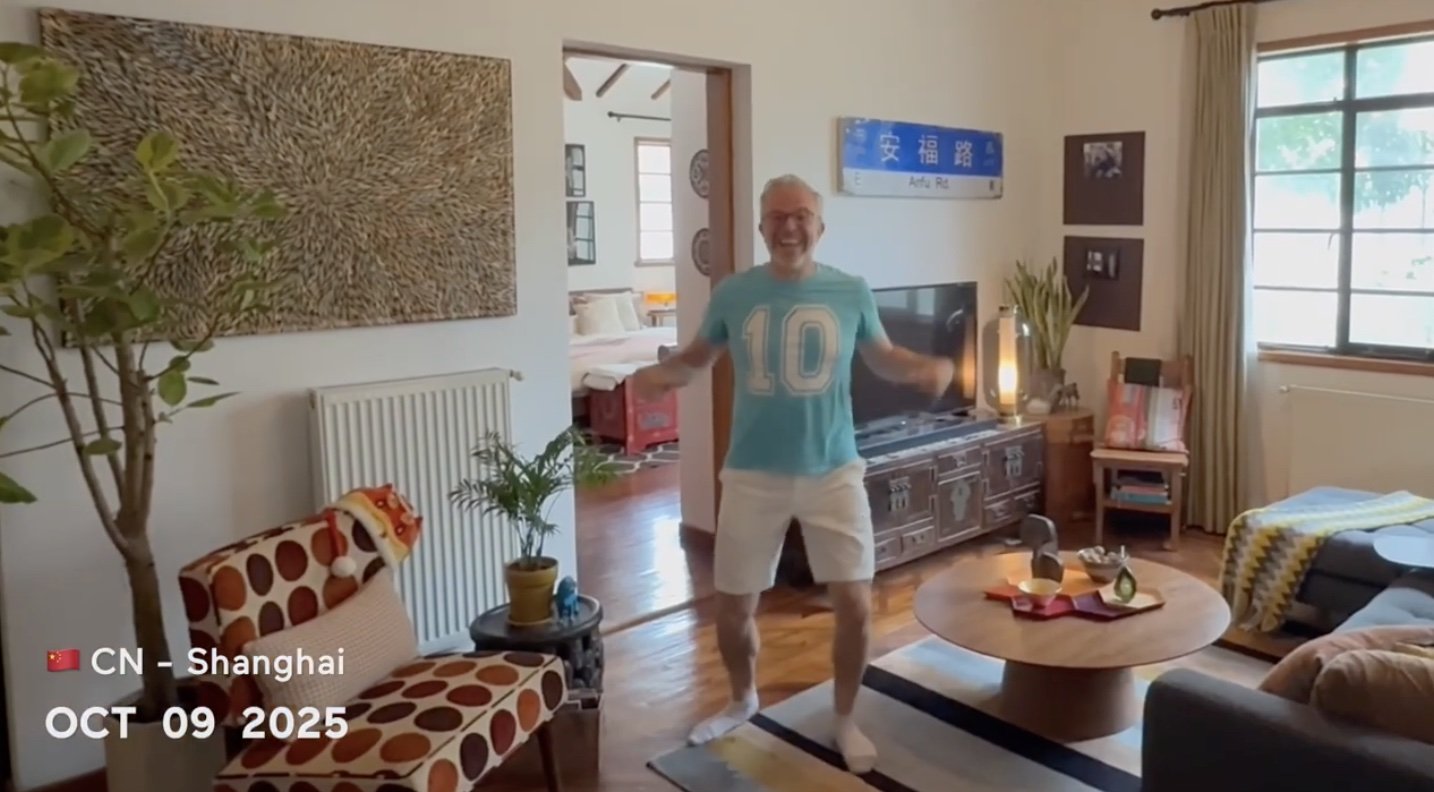
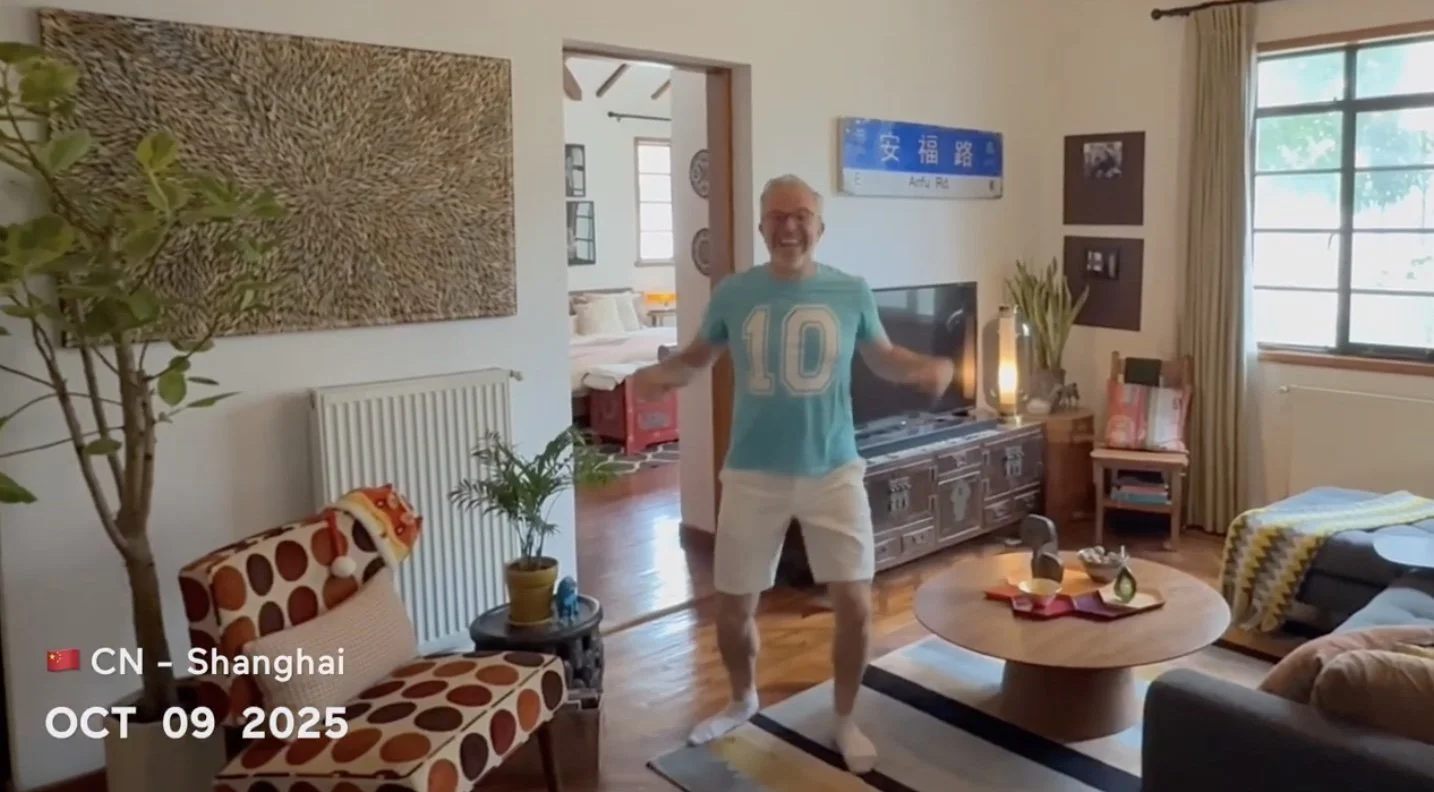
I’m just about to reach the ten-year anniversary of moving to mainland China. The realisation that I’ve lived over a fifth of my life here is… sobering. But what it also means is that there’s another milestone to record: ten whole years of daily one-second videos. That’s 3,653 seconds, over an hour of one-second diary entries. (And yes, that means there were three leap years: 2016, 2020 and 2024). I Benjamin Button-ed it and put the whole thing in reverse (and on speed). It’s impossible to watch, I’m just posting it here for posterity.
It started on a solitary walk in Hong Kong, I listened to a podcast interview with the founder of an app called 1 Second Everyday and decided to download it and record my first video. That was 10th October 2015.
2015
I thought I would use the app simply to record my gradual transition between living in Hong Kong and Shanghai. According to the paperwork, my residency in Shanghai officially started in October, but I counted my flight from Hong Kong on 13th Dec 2015 as my first day in Shanghai. (That’s why these annual compilations always start on Dec 13th).
2016-2017
For these next couple of years, I continued using the app, capturing my life as an international headhunter. My life was in Shanghai, but I spent over a third of my time overseas.
2018-2019
After stepping back from my company, I started studying Chinese and also launched a podcast. I see these as the years during which I finally integrated properly into life in Shanghai.
2020-2022
The COVID years were sometimes tough, but you couldn’t ask for a better education about how China works. The podcast continued, and I also completed a Masters in Chinese Philosophy.
2023-2024
The post-COVID “PTSD years”. Still enjoying life in Shanghai, but now with a slight sense of dislocation, and with eyes to setting plans for the future.
Of these 3,653 seconds, 2,902 were in my home city (the first 40 while home was Hong Kong, then 2,862 in Shanghai), and 751 were from travels. So a fifth of my time - or, a full two years out of ten - were spent traveling away from home. That’s a bit of a shock. 3,004 seconds were in mainland China, and the next five places were USA (157), Hong Kong (95), Japan (62), UK (52) and Singapore (49). There are altogether 42 territories represented, in this order: 🇭🇰🇨🇳🇬🇧🇸🇬🇺🇸🇲🇽🇰🇷🇮🇳🇯🇵🇦🇹🇬🇷🇵🇷🇻🇮🇰🇳🇦🇼🇨🇼🇻🇬🇨🇦🇹🇭🇦🇪🇧🇭🇰🇼🇶🇦🇴🇲🇪🇸🇮🇩🇱🇧🇹🇷🇬🇪🇦🇲🇲🇲🇧🇩🇫🇮🇪🇪🇦🇺🇨🇿🇲🇹🇵🇹🇲🇻🇳🇱🇸🇦🇮🇹.
But my favourite seconds are not the ones from traveling, they’re the ones that capture life’s daily contrasts. Frenetic activity and blissful inactivity; loud celebration and quiet mourning; illnesses and accidents; adventures and misadventures… just the regular cycle of life, in tiny snapshots. They also chart the relationships: old relationships, new relationships, and now disappeared relationships. Social media has become more vile over these last ten years, but I have made an effort to continue using it for conscious connectivity. I hope the reason you’re reading this is that you feel the same.
It’s not just a video diary, the project now helps shape my lifestyle. I try to live life in the moment, waking up to the promise of a new adventure. Getting out of my own head, and continuing to keep curious about the world. Saying yes to experiences out of the house, even when my happy place is sitting on the couch next to my husband.
But more than that, it has become a gratitude project. I often take the time to look back at these compilations, to appreciate what I’ve done rather than constantly trying to chase the next novelty. I will always be that chaser. But I’ve realised through this project that happiness isn’t in the pursuit of the next glass of wine. Happiness is in the realisation that your glass is already full. 🍷
For the Facebook version, see here.
For the YouTube version, see here.
Pride and Prejudice
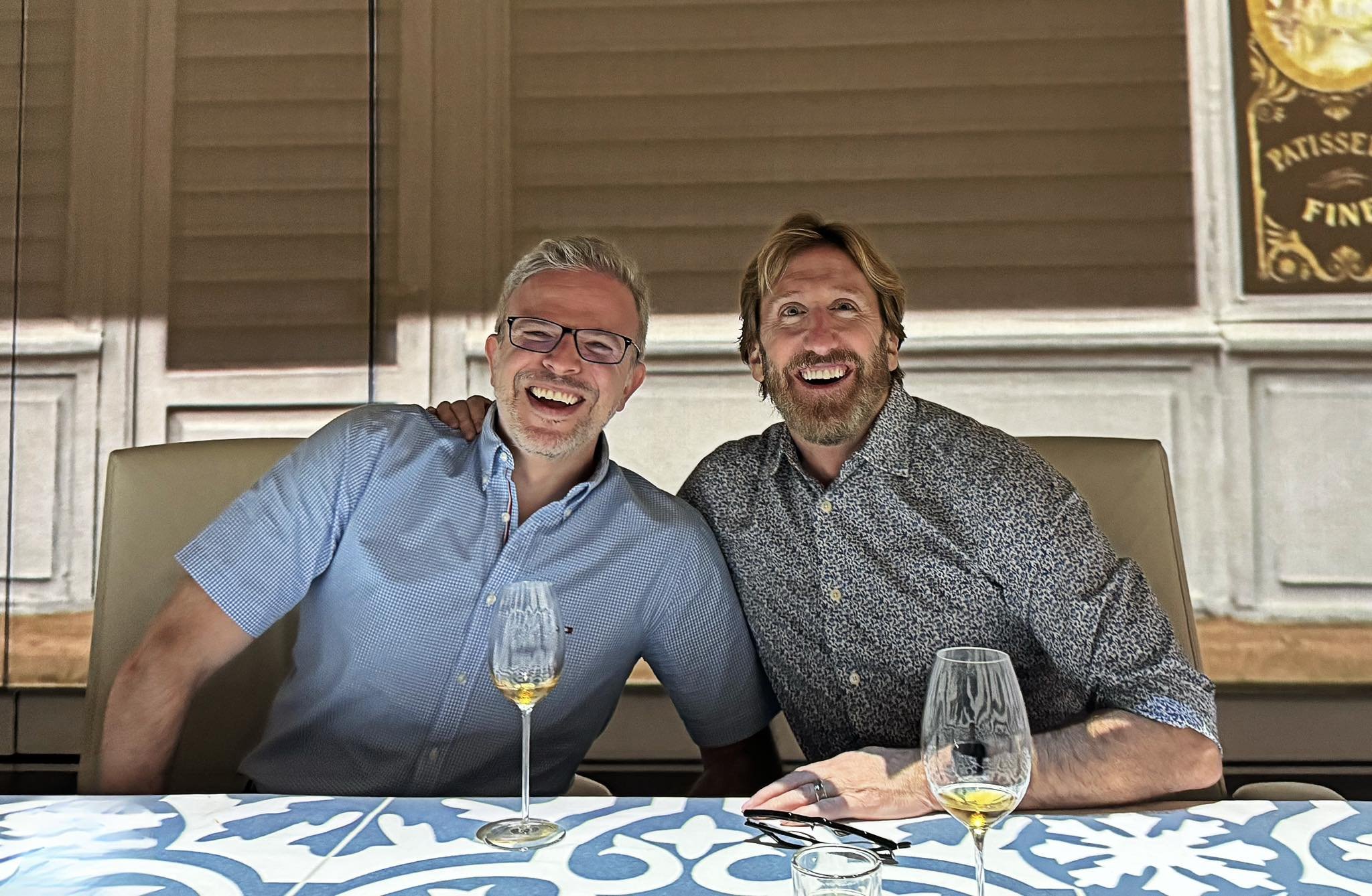
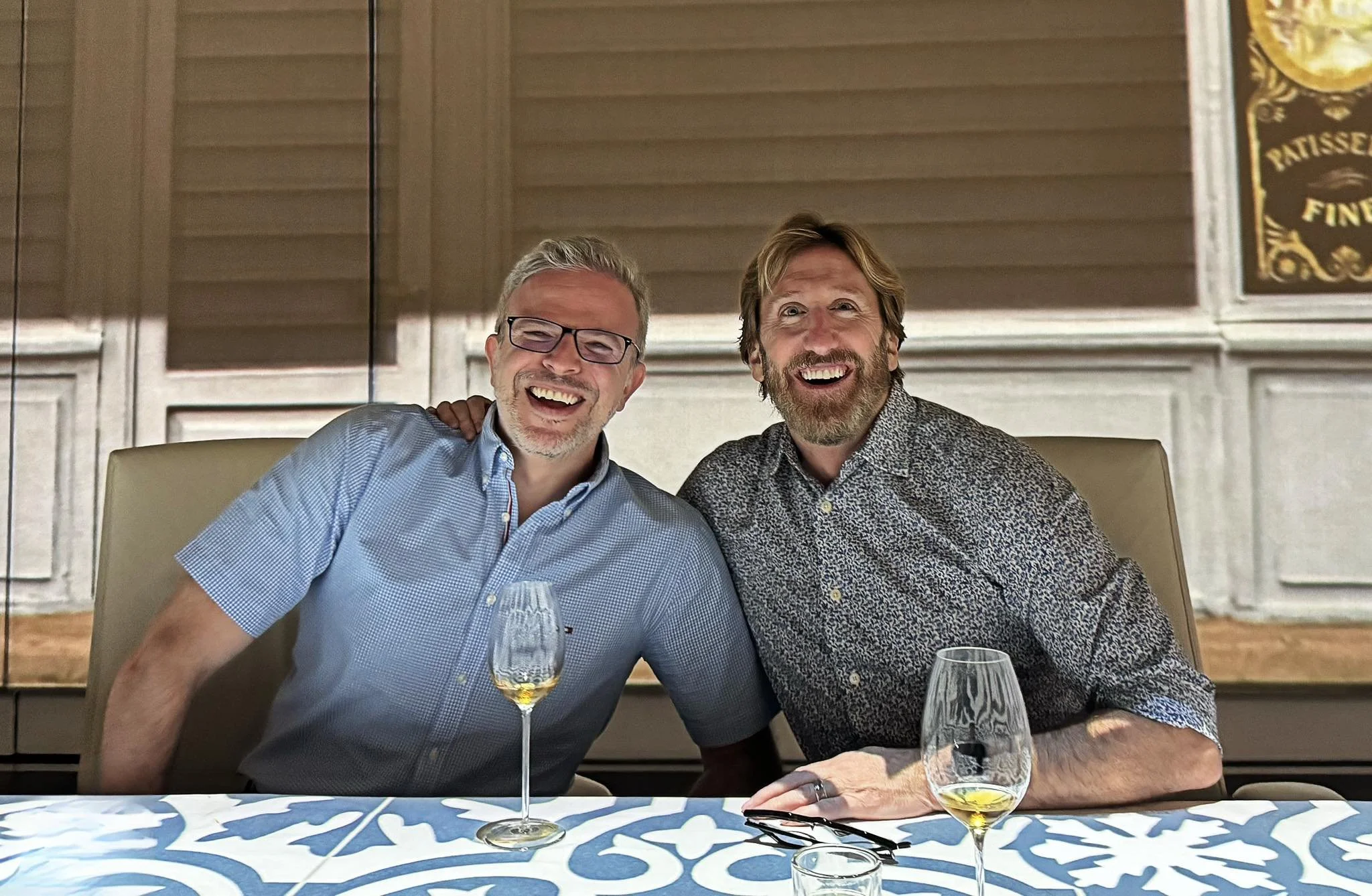
It’s June, and that makes it Pride Month.
The most visible aspect of Pride are the marches, the celebrations, the rainbows, the silly spectacles. These often elicit eye-rolls and head-shakes. But they’re important symbols of a simple idea: the idea of living visibly, without fear. They’re visible aspects because Pride is about visibility. Visibility promotes familiarity, and familiarity is the best inoculation against hate and fear. That’s why Pride is not a party, and Pride is not a joke. It’s the ability for all of us to be part of public life. To not be threatened by thugs on the street. To not be denied access to employment, shelter or dignity.
Without Pride - without visibility - there’s lack of awareness. However innocent, this lack of awareness leads to ignorance, ignorance then leads to fear, fear to distancing, distancing to othering, and othering to dehumanising. From there it’s very easy for malevolent leaders to victimise us, scapegoat us, menace us. Segregate us, remove us from society, annihilate us. Of course that sounds hysterical, we’re not in 1940s Europe. But the playbook is still lying around in 2025, just waiting to be picked up.
There’s a reason I haven’t specifically mentioned the LGBTQ+ communities in this post. Because there’s somewhere in the world where YOU are the minority. Maybe you’re there right now. Maybe you have to imagine it. Or maybe you experience life as a minority, yet you still victimise others lower down the pecking order. Our leaders can only scapegoat enemies - of whatever identity or persuasion - if we let them. So please don’t be blind to what Pride means for us all in 2025.
For the Instagram version, see here.
For the Facebook version, see here.
For the LinkedIn version, see here.
Hong Kong is Still Badass
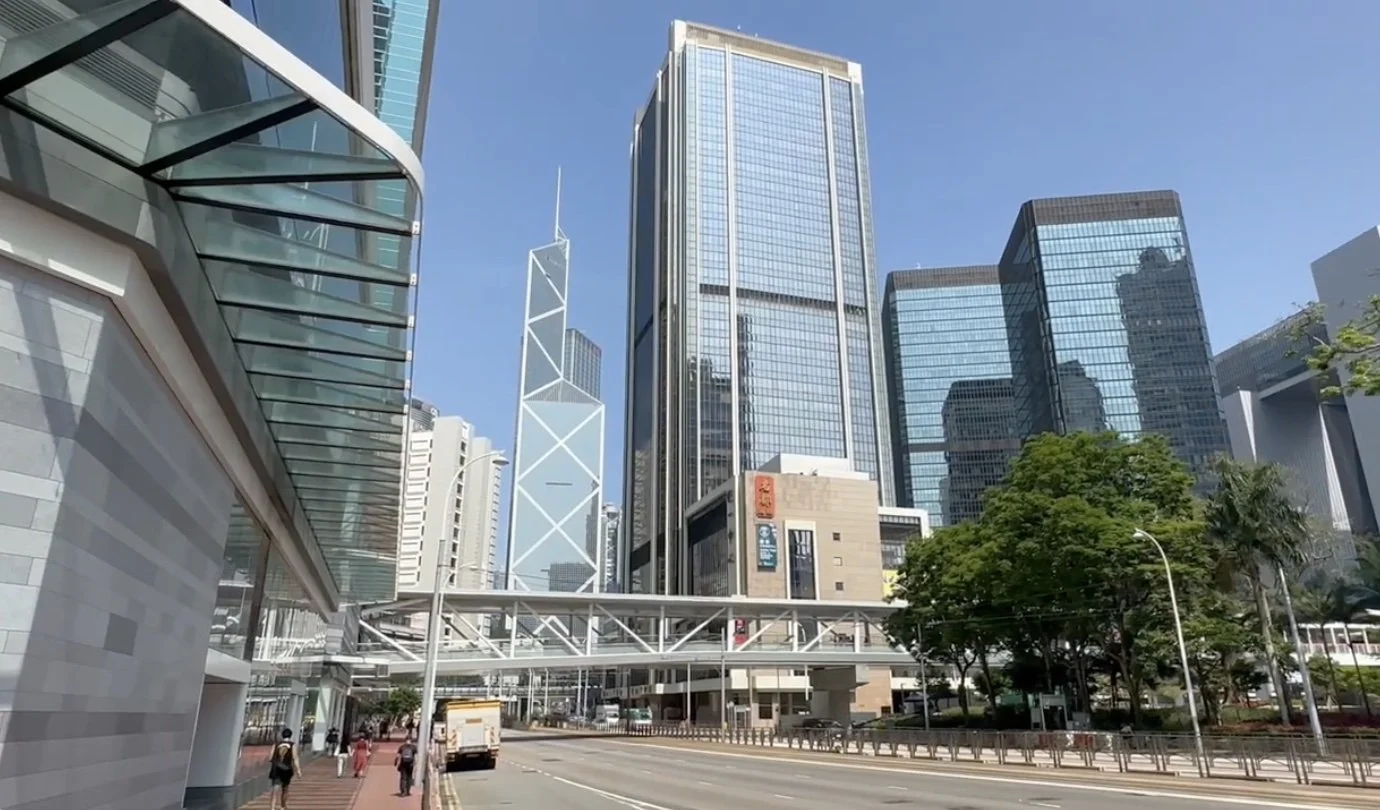
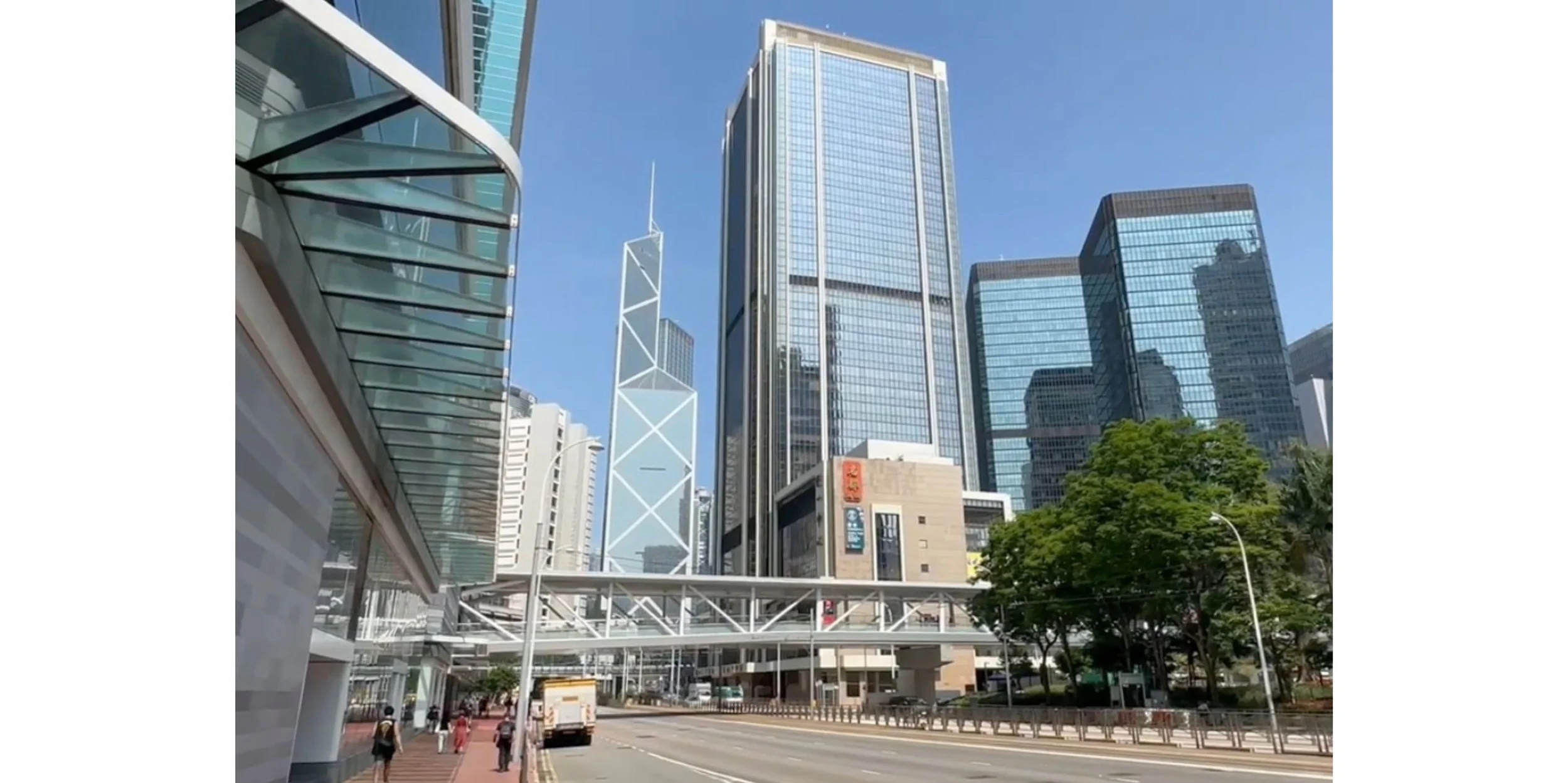
Comparing my previous home of Hong Kong to my current home of Shanghai is fairly straightforward. Both are sophisticated international Asian cities with vibrant culture, arts and food scenes. If anything they’re becoming even more similar, with comparatively less Cantonese and Shanghainese being spoken on their respective streets these days. Those businesses that didn’t learn how to pivot away from international consumers and cater more towards mainland Chinese tastes… are the ones that simply aren’t around these days. And the effect is arguably more noticeable in Hong Kong because of the high proportion of frugal day-trippers from across the border.
Having said that, on my recent visit back to Hong Kong I still heard lots of reassuring sing-song Cantonese amidst the argy-bargy Mandarin. And some things will always distinguish Hong Kong from everywhere else. Of course the city’s access to nature is unparalleled, I’ve personally only seen something similar in Vancouver and Zurich, but both are tame in comparison. The Chinese antiques for sale on Hollywood Road are the best and most plentiful you can find anywhere, there’s just no point mentioning any other city because nowhere comes close. And finally there’s that feeling you get when you learn how to navigate the maze of overhead walkways in Central, where your feet don’t need to touch the ground for miles. I’ve seen something similar in Minneapolis, which is both impressive and highly functional - it keeps you warm in the winter and gets you to where you parked your car. But Hong Kong’s human-centric city planning goes much further in making the little pedestrian feel like the king of the urban jungle, cowed neither by traffic nor topography. And that feeling is simply badass.
A big thank you to all the people who made time to meet up during my short visit, some of whom may not have described themselves as badass until now. And perhaps some who are shaking their head as they anticipate me writing the word badass for a third time, and for absolutely no reason.
For the Facebook version, see here.
For the YouTube version, see here.
For the LinkedIn version, see here.
Six Doors Away
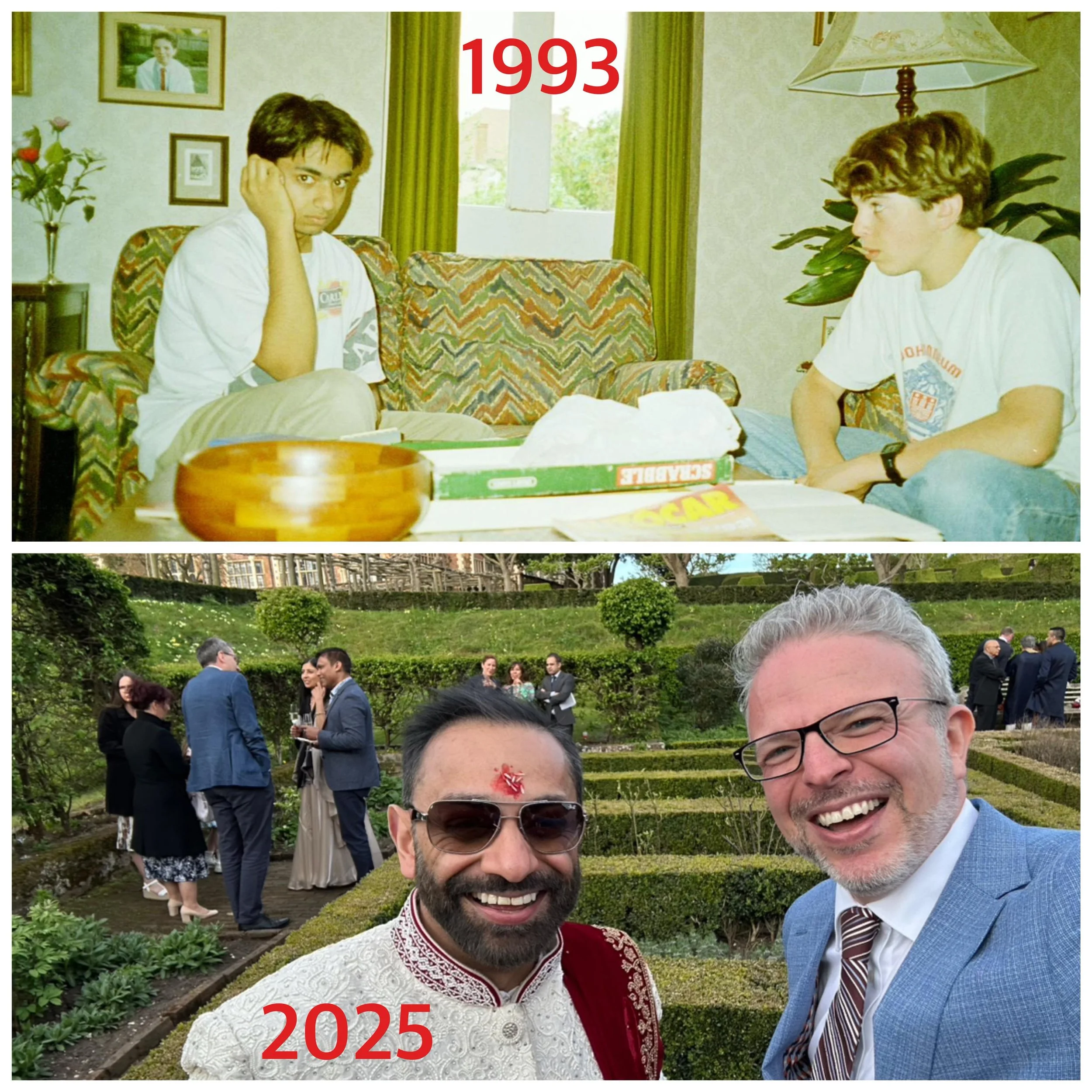
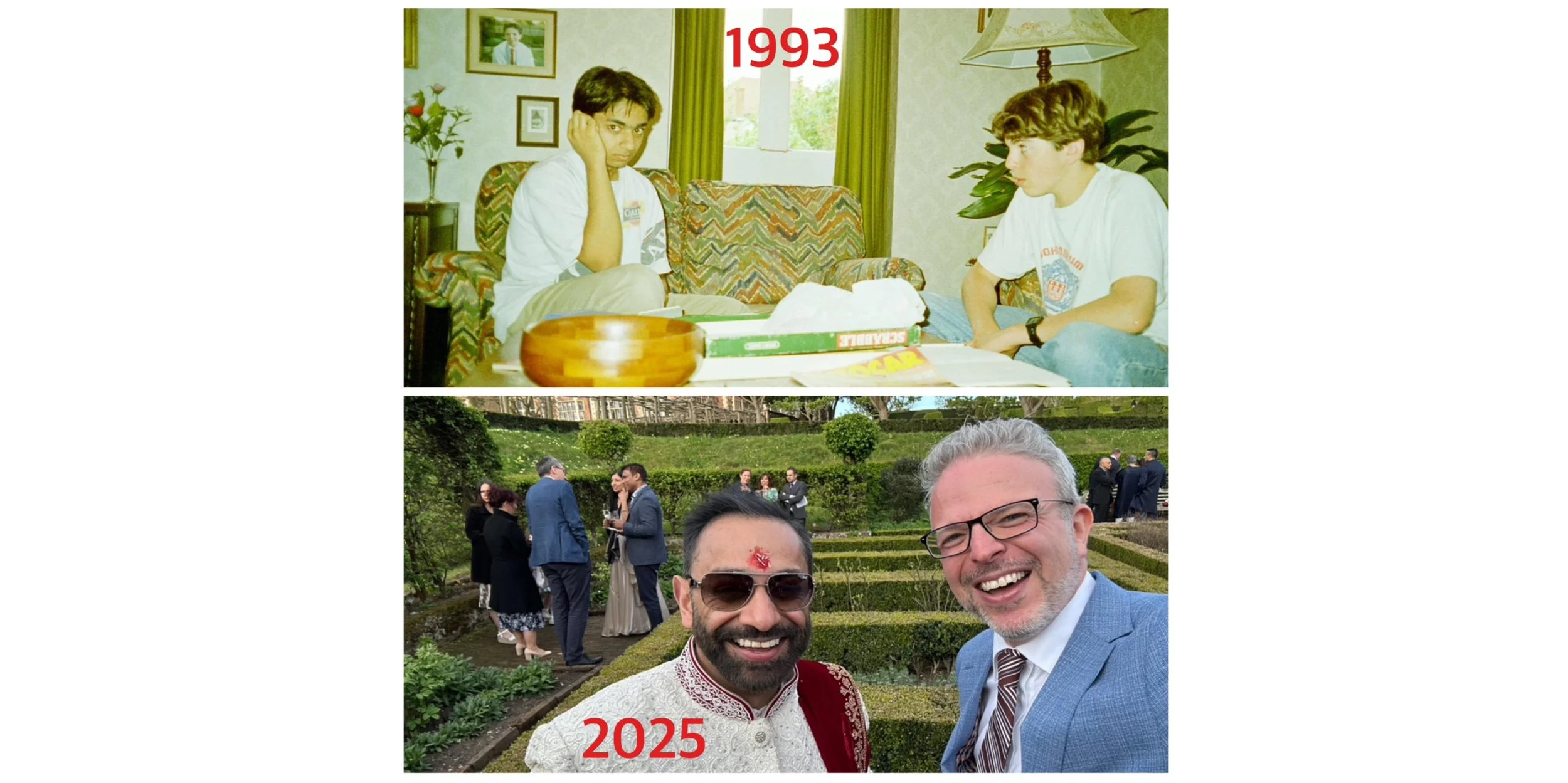
I lived six doors away from this boy until the age of 18. He had a ginger cat called Rex who could climb up the wallpaper with his claws, but not climb down again. We played Sonic the Hedgehog on his Sega Mega Drive. He had a little sister called Suhasini, who liked Boyzone. Their house smelt like chai latte. My house smelt like pork goulash. At mine we played Monopoly and Scrabble: here’s photographic evidence from August 1993 - I was already 16 years old but still looked 12. I wasn’t very popular at school. I can’t speak for Amrish, but I don’t think he was either. So it was good to have a default buddy to fall back on when we had nothing else to do at the weekend. I remember one day spending eight hours at the North Harrow Superbowl. They must’ve had a special summer daytime deal, we bowled until our fingers were raw. Otherwise I remember mostly going to the St. Ann’s Shopping Centre in Harrow-on-the-Hill. We watched movies and bought electronics and cheap clothes.
Then we didn’t see eachother for the next thirty years. We kept in touch electronically, and shared a passion for travel. Out of the blue I got an invite to his wedding. I was amazed and touched to receive it. I knew I probably couldn’t go, since I had no plans to be in London at that time. So I sent an immediate reply to apologise. But then I realised… there was actually nothing stopping me making the trip. And so here I am. This is the reason for my trip. I want to celebrate Amrish’s wedding to Anna. And I want to thank him for being an old friend.
For the Instagram version, see here.
For the Facebook version, see here.
Why Visit Saudi Arabia?
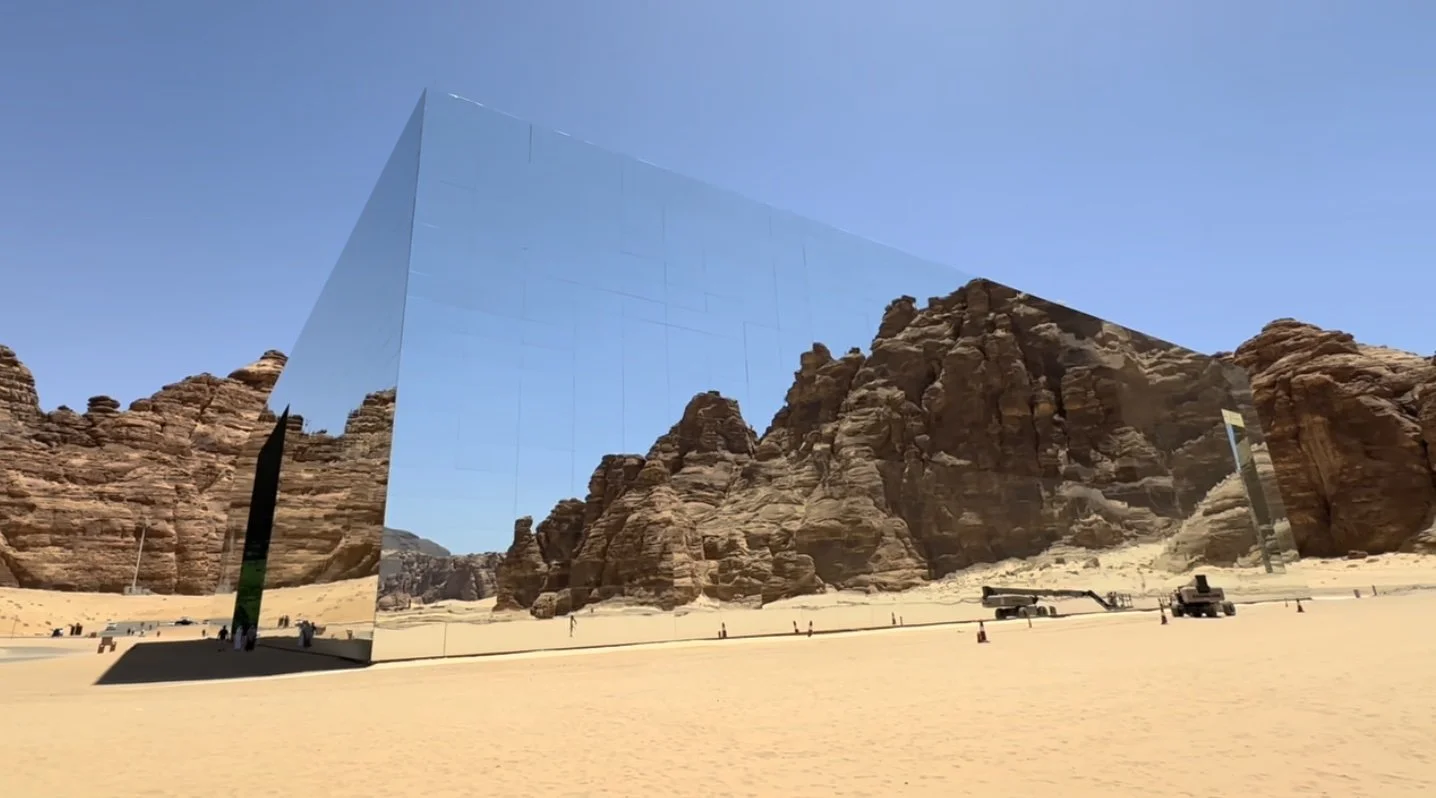
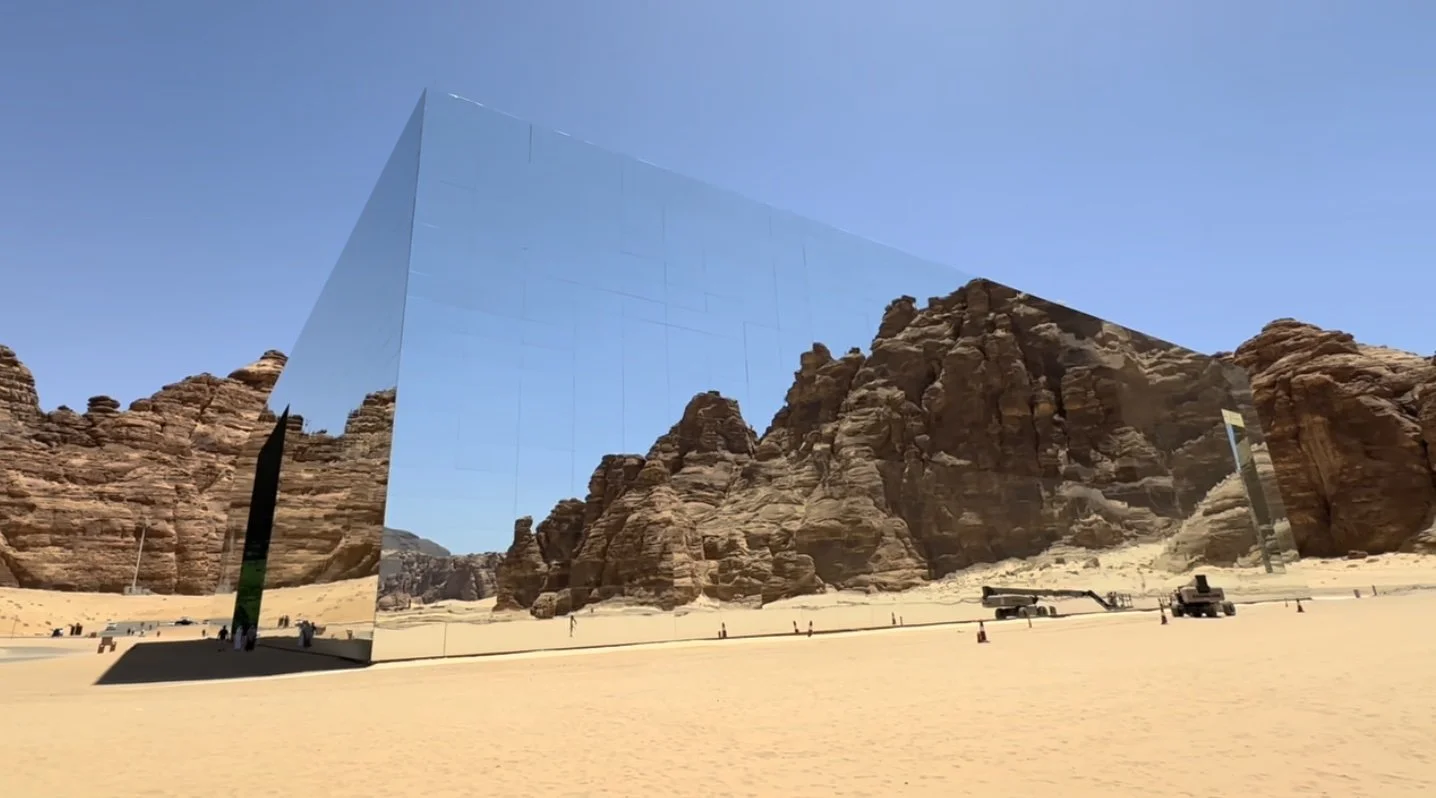
I never imagined I would step foot in Saudi Arabia. But a decade in China has taught me that sometimes the challenges of living in a country with a certain reputation are maybe a little different than you might expect. And as someone who wants to remain open and curious about the world - a world which, let’s face it, might not remain open and peaceful forever - I wanted to see this place for myself.
What I learnt is that Saudi Arabia is undergoing an economic and social revolution that reminds me very much of China. Neither are democracies, and neither have planned their development based on models borrowed wholesale from the West. This engenders an inherent discomfort and distrust from many onlookers. Furthermore, the outside world judges them based on a certain basket of baked-in perceptions. Yet both have managed so much change - and in such incredibly short timeframes - that many of these perceptions are increasingly outdated. Not all… but many. I thought that China changed fast in the 2000s and 2010s, but Saudi Arabia of the 2020s makes this all look rather tame. It’s no wonder that many of the young and hungry international entrepreneur-types that used to be such a common sight in Shanghai and Beijing are now popping up in Riyadh and Jeddah.
I’m no deluded apologist about either system, both countries have myriad issues and it’s important to be critical when it comes to seeing what they can deliver over the coming decade. But “seeing” is indeed the first step, and I’m glad that I took a week to do so for myself. And speaking just as a visitor, I would also say that because the tourism industry here is so brand new, the Saudi sense of hospitality feels totally genuine, and not yet jaded by years of mutual ambivalence. So for that reason alone, it was well worth the trip.
I spent 6 days in Saudi Arabia: 3 days in Riyadh, followed by a flight to AlUla, a car to Medina, and a train to Jeddah. To summarise:
🌆 Riyadh seemed to me like one of those capitals where you’re always aware of your proximity to power. It’s this proximity that has afforded it lots of new trinkets and lavish infrastructure, but in exchange it feels a little... tightly-wound. People here know how to blow off steam, but they do so mainly within the perimeters of their private residences.
🛕 AlUla is being carefully and authentically developed as *the* premium tourist destination of Saudi Arabia. A blend of geological wonder and ancient civilisation, with a unique ambience and a modern eye for detail. The tourism industry is so new that the Saudi sense of hospitality feels totally genuine, and not yet jaded by years of mutual ambivalence.
🕌 Medina is the second holiest city in Islam after Mecca, and they’ve just started allowing non-Muslims to visit. (Mecca remains strictly off-limits). There are something like 20 popular mosques to visit, I ended up getting driven to five of them by an eccentric Yemeni taxi driver called Habib before heading to the train station.
🏖️ Jeddah is the Red Sea port city with a history of migration and openness. If Riyadh is the Beijing then Jeddah is for sure the Shanghai, albeit with better seafood. And if Medina represents the sacred, then Jeddah represents the swagger. Case in point: as I’m writing this on my flight out of Saudi Arabia, the Formula One weekend is kicking off on the Corniche.
Top 3 fun facts:
🇸🇦 Saudi Arabia imports sand. The country is literally covered in it, but it’s the wrong kind for making concrete.
🇸🇦 The King Fahd International Airport is the largest in the world. At 9,080 acres, it’s bigger than the neighbouring country of Bahrain.
🇸🇦 There are no rivers in the whole of Saudi Arabia. It gets its water through desalination, wadis, and groundwater.
For the Instagram version, see here.
For the Facebook version, see here.
For the YouTube version, see here.
For the LinkedIn version, see here.
The Permission Structure for Ignorance
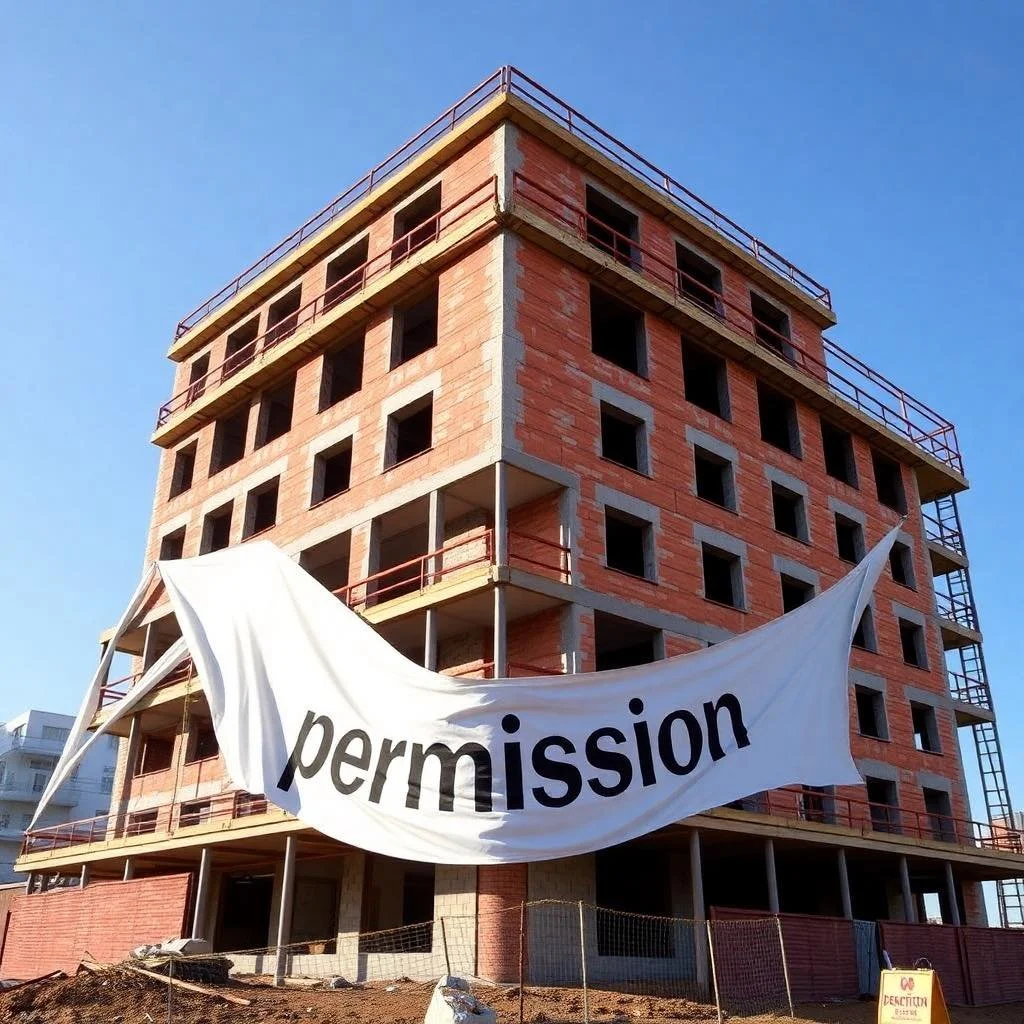
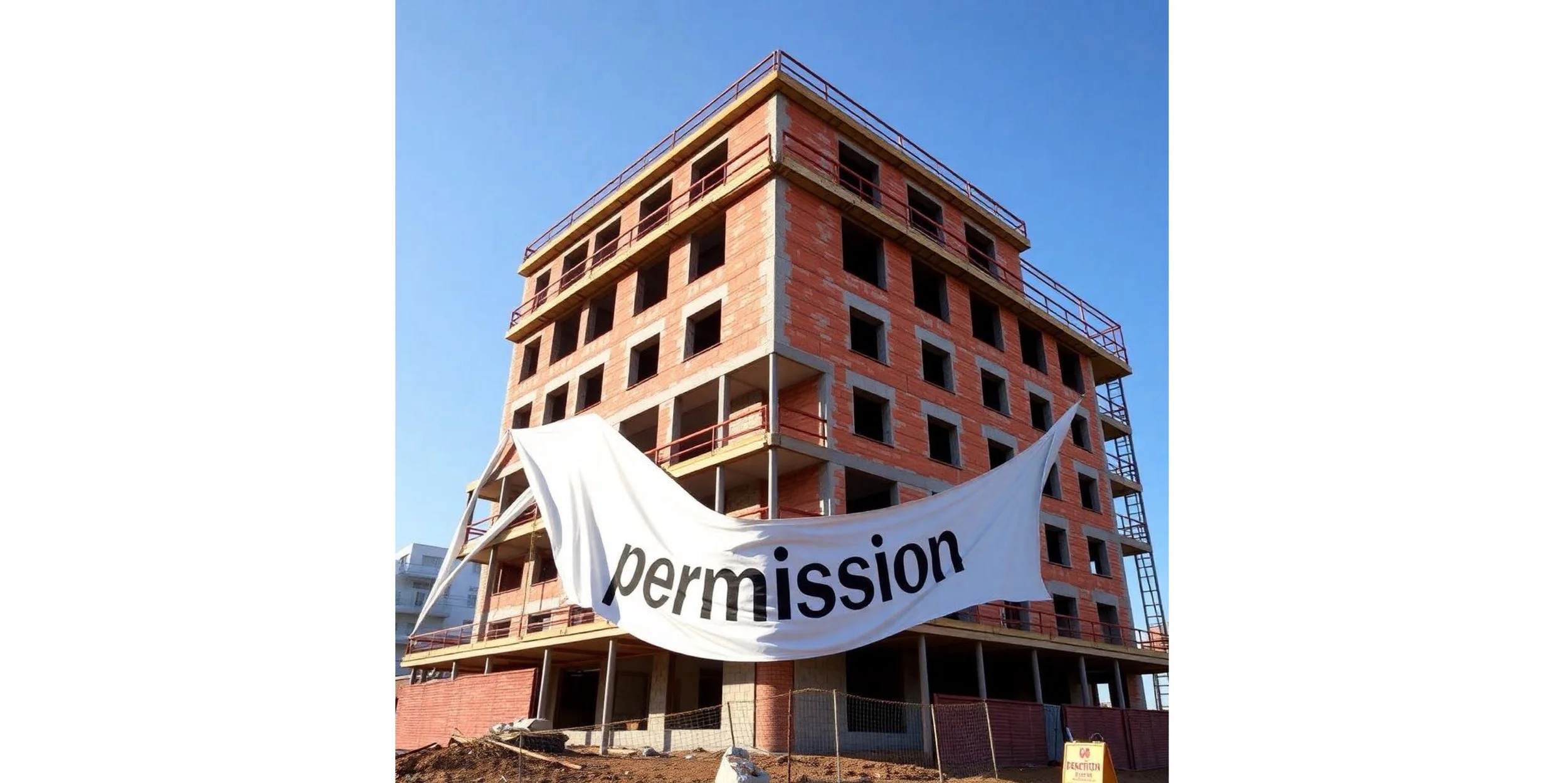
The tariffs debacle is just another scaffold on a broader structure that has been carefully built over the last decade: the permission structure for ignorance.
Expertise is now widely derided, in favour of blind loyalty, bigotry and bluster. Economists can scream blue murder, but it’s fine to ignore them. Because we’re already ignoring experts in climate, vaccination, gender, war, immigration, the list goes on. The permission structure allows us to dismiss expertise, if labeled as ‘woke’, ‘globalist’, ‘deep state’ or ‘fake news’. Everyone with access to the internet has all the information at their fingertips. But it’s all for naught if we’ve been given permission to never seek out anything that challenges our biases and blind spots.
Don’t get me wrong, I believe in questioning authority, questioning norms, questioning everything. I believe in lively and fierce debate. But I also believe that we can’t become foot soldiers in the war against expertise. As individuals, we are all at the mercy of the purveyors of information and misinformation: they represent the foundation of this permission structure of ignorance. To have any chance of countering them, we all need to become armchair experts ourselves. Experts in media literacy. Experts in history, lest we neglect its mistakes. And experts in epistemology: the study of knowledge, belief, truth, evidence, and reason.
It’s a massive personal responsibility. But it’s fast becoming the hygiene factor of every social interaction we have.
For the Instagram version, see here.
For the Facebook version, see here.
For the LinkedIn version, see here.
A Spontaneous Trip to Qiandaohu
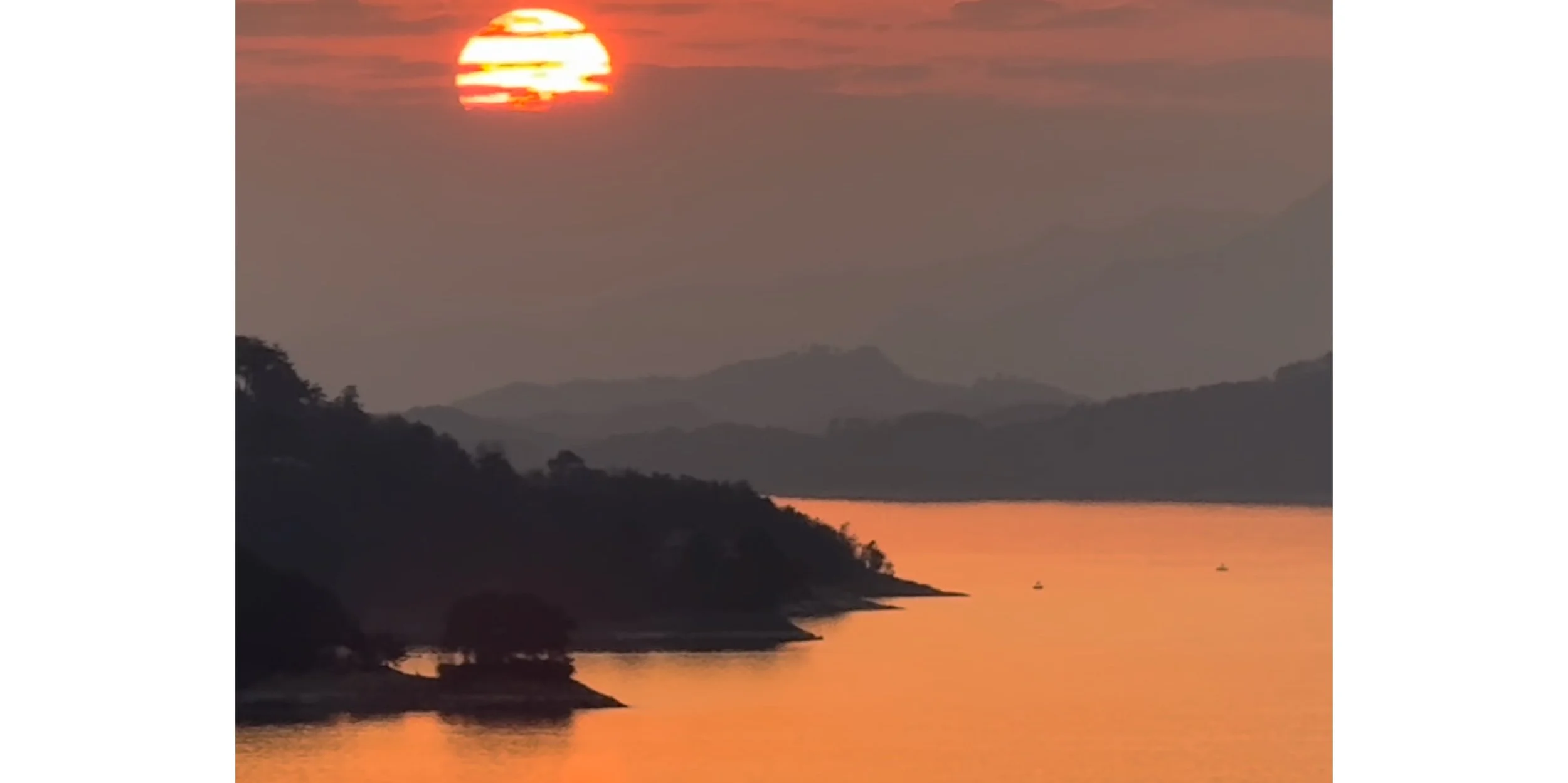
We didn’t plan anything for the Chinese New Year holiday, we figured we would be lazy. But then on Wednesday morning we made the spontaneous decision to head to Qiandaohu for two nights. Within ten minutes the hotel room and high speed train tickets were booked, and we were off later that afternoon.
Qiandaohu was created in 1959 when the completion of the Xin’anjiang Dam formed a reservoir that turned mountaintops into little islands. Around 1,000 islands in fact, hence the name 千岛湖, meaning “Thousand Island Lake”. It’s just a 2-hour train ride from Shanghai, but a very nice change of pace from the city.
For the three years of COVID, we had no choice but to travel within the borders of China, and we’ve been prioritising overseas travel since then. So this was a nice and simple destination to dip our toes back in: our first time traveling within China since July 2022, and our first time on a Chinese high-speed train since July 2021. We’re already on the way back home to Shanghai, where the laziness can resume once again.
For the Instagram version, see here.
For the Facebook version, see here.
For the YouTube version, see here.
Measuring Life By The Zodiac
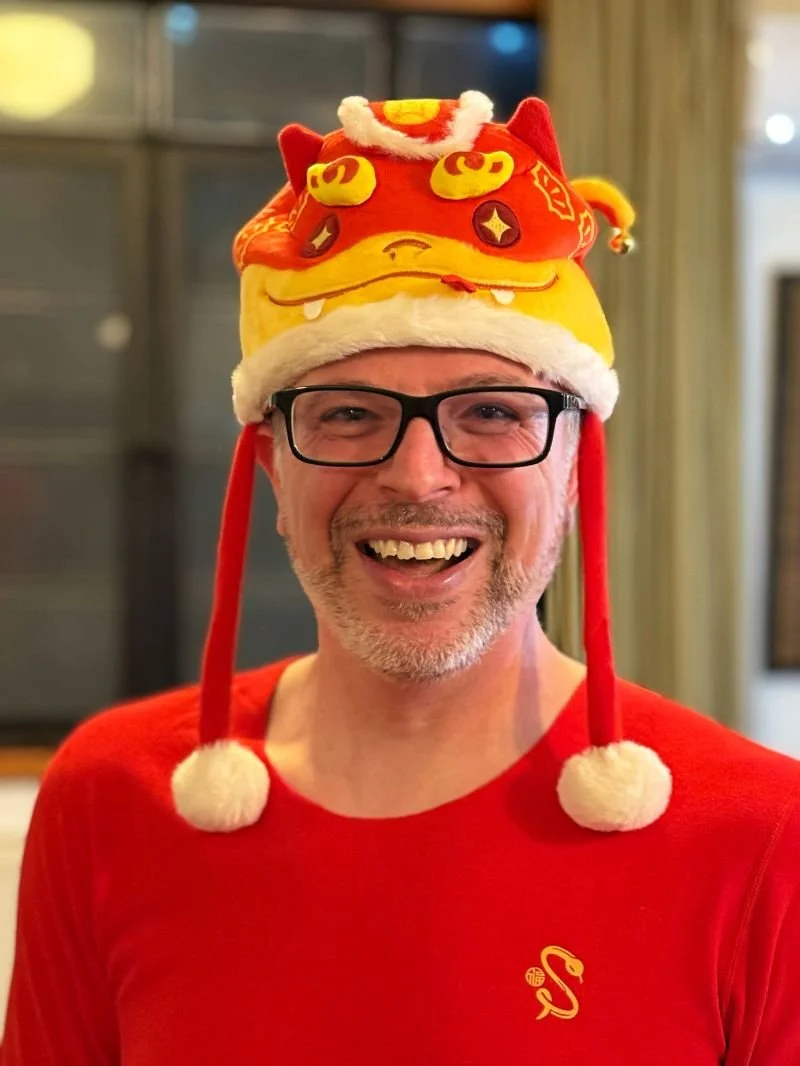
新年快乐 • 恭喜发财 • 蛇年大吉
🧧🎊🧧🎊🧧🎊🧧🎊🧧🎊
Happy Lunar New Year from Shanghai!
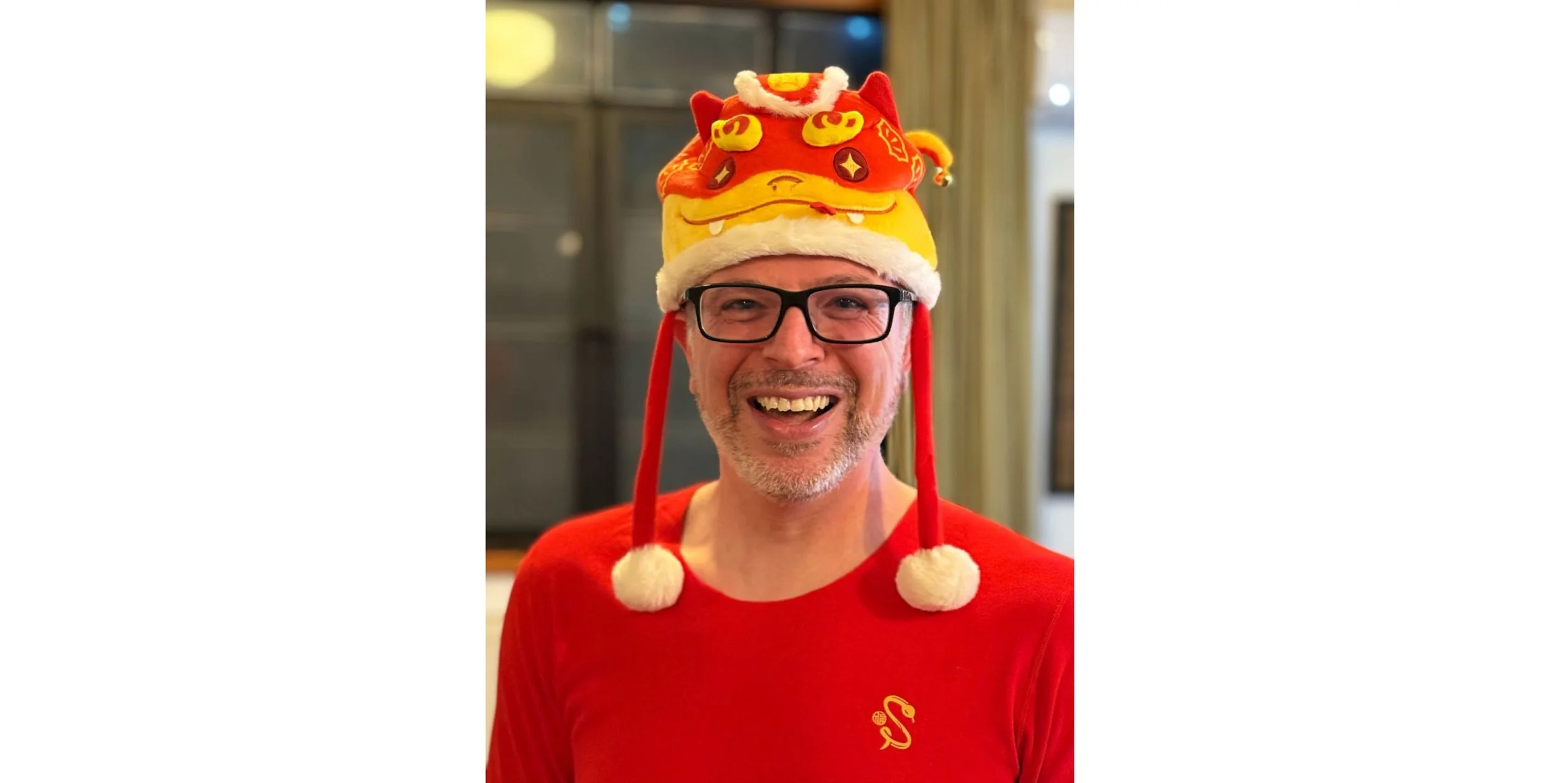
I was born in the Year of the Snake, so this is my year. But contrary to what you might expect, this is seen as bad luck rather than good. So it’s customary in China that you should wear red underwear (ideally gifted to you by someone else) to ward off the evil spirits during the festival season. We’re hoping that the snake hats make it doubly auspicious… 🐍🐍
Silly costumes aside, there’s something quite useful about measuring life in the twelve-year phases of the zodiac. For me that’s four phases of twelve, and here’s how I now look back at them.
0-11: A Happy Childhood.
A perfect start to life, surrounded by love, culture and privilege. Not much self-realisation, apart from maybe figuring out that I looked babyish and could get my way by acting adorable. Quite a useful skill to take into adulthood, although I must report massively diminishing efficacy in recent years.
12-23: Sleepwalking Through Adolescence.
Supremely awkward and obsessive phase, spent obliviously grieving the loss of my mother while distracting myself with academia and TV. Fortunate to drop out of a career in law and run away to distant distant Japan, from where I could start to make sense of life so far.
24-35: Stumbling into Success.
After a stint back in Europe, returned to Asia and started to cement my identity here. Realising that my slightly weird disposition didn’t gel well with regular employment, was open to new things and discovered the right career at the right time. But despite the (unconvincing) appearance of strength and status, was still emotionally immature and vulnerable, easily abused and manipulated.
36-47: Self-Actualisation.
For the first time since childhood, becoming aware that I have the right to demand happiness for myself. No coincidence that this phase maps directly onto meeting - and marrying - the happiest person I’ve ever known. A phase of living in the moment, and embracing an inherent need for curiosity, connection and challenge. And eating snacks on the couch.
I don’t believe in the zodiac. But I do appreciate rituals like this which make you interrupt your routines and take stock of your place in the world. Or rather, your place in yourself. 👶🏻👦🏻👨🏻👨🏻🦳👴🏻
For the Instagram version, see here.
For the Facebook version, see here.
For the LinkedIn version, see here.
My Evolving Thoughts on Gentrification
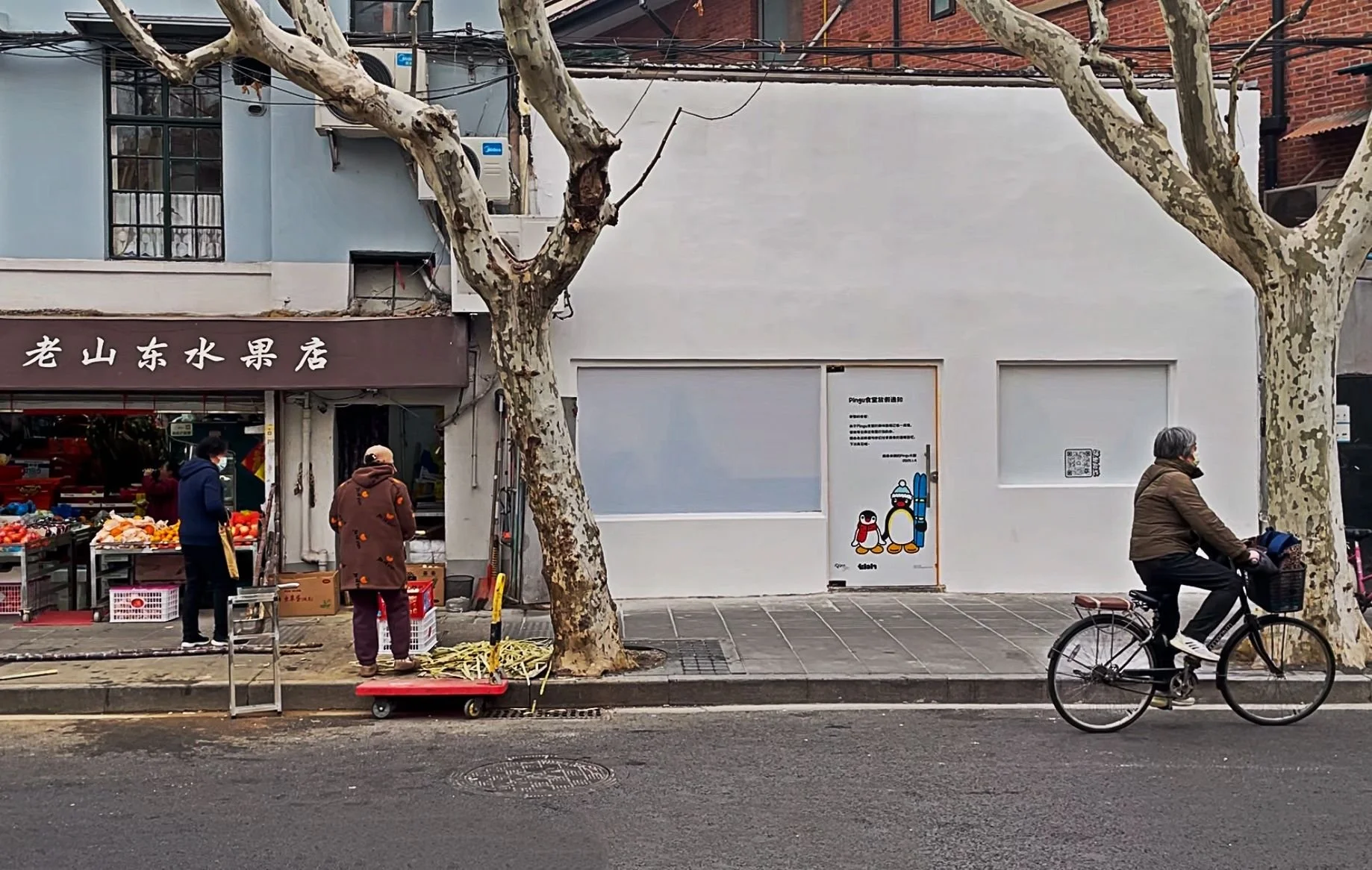
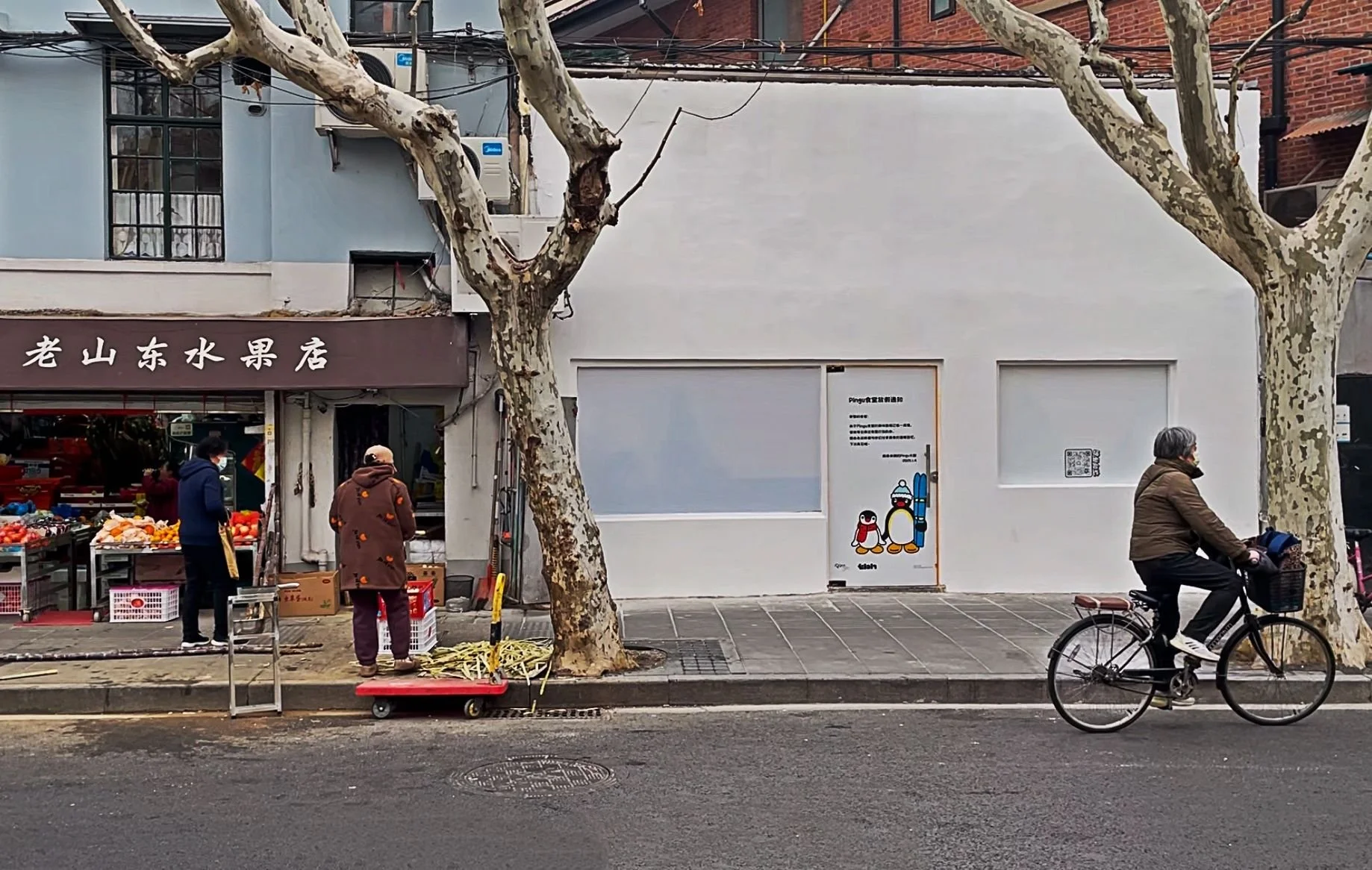
I thought I would write a post on my evolving feelings about gentrification.
Gentrification is undeniably a good thing. But it will come as no surprise to many people reading this that it’s undeniably a bad thing too. When I moved to this area of Shanghai ten years ago, it was full of “useful” shops: little supermarkets, dry cleaners, hardware suppliers. But now all the practical shops are being priced out, replaced by flashy fashion boutiques, expensive coffee shops, and quirky speciality stores designed to appeal to the browsing Chinese tourist. What used to feel like living in a special community can sometimes feel like living in Times Square. I now need to walk a good few blocks to find my nearest key-cutter or greengrocer, and I just lost another local shop to an upcoming… Pingu store.
I guess it’s better than watching your local high street empty out and fall into disrepair, we all know plenty of neighbourhoods like that. But I’m starting to understand the feelings of the outpriced and the overlooked - the original resident who feels outpaced by the March of the Penguins - opinions I might previously have discounted as retrograde. It’s taken living in one place for a decade for me to realise this.
So let this post be my public apology for being so late to the game with this sentiment. And a public lament for all the lost little cafés, jianbing stalls and boba tea shops. The secret’s out about our cute little neighbourhood in Shanghai.
🐧🐧🐧
For the Instagram version, see here.
For the LinkedIn version, see here.
New Year House-Hunting in Bangkok
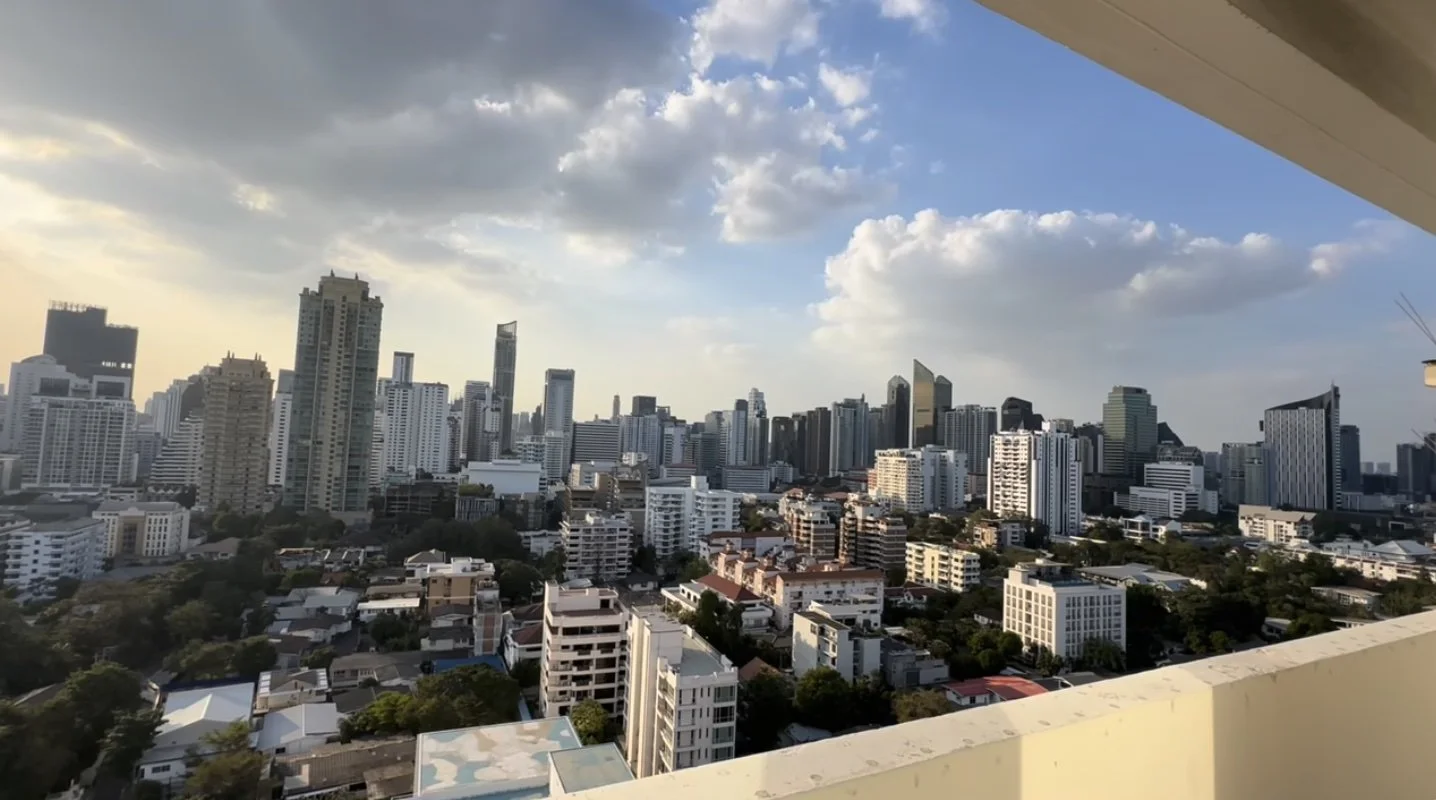
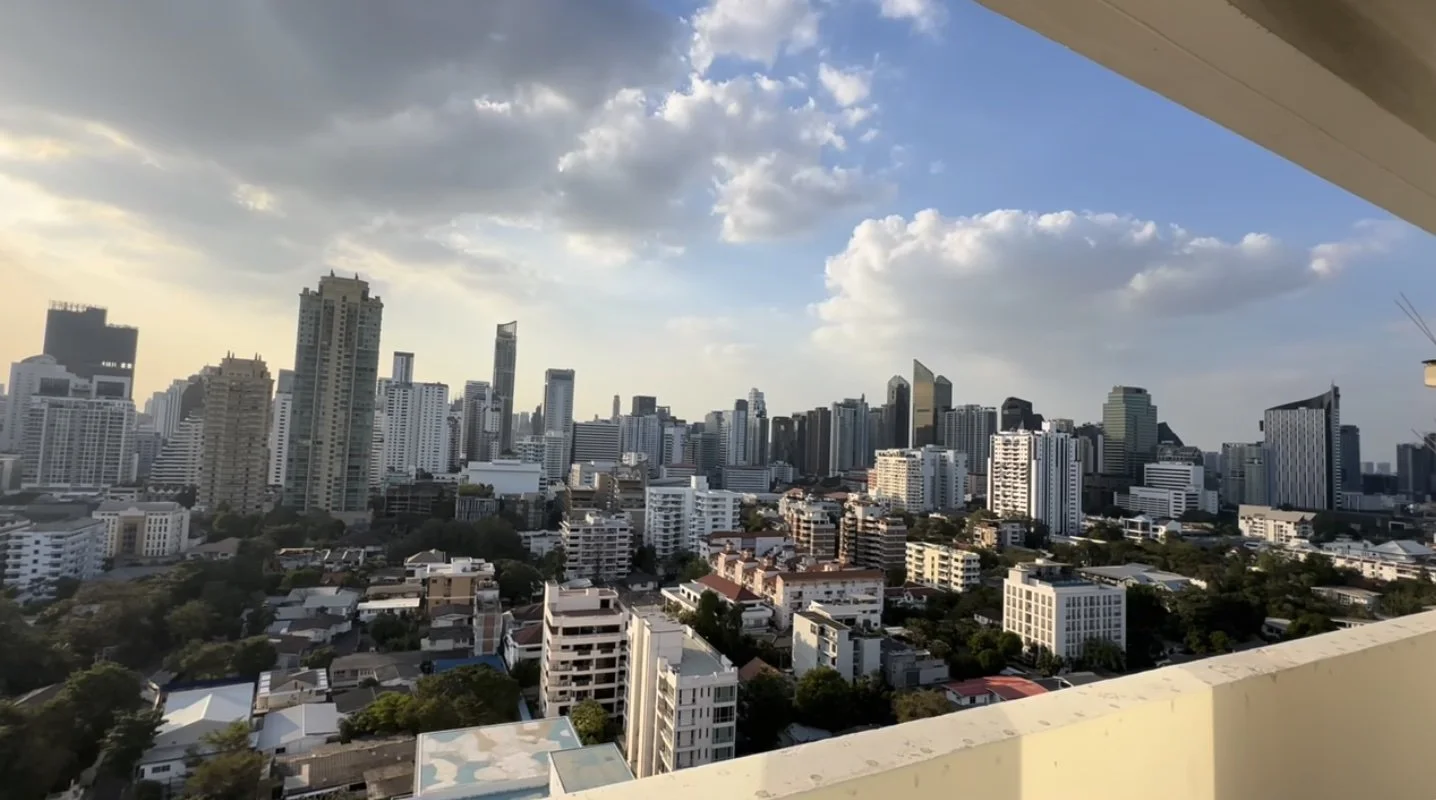
Bangkok is not only a great city, in a beautiful country, with excellent travel connections to the rest of Asia… It also recently joined the small group of places in the continent where marriage equality has been recognised. So it’s a no-brainer that we should want to research it as a potential base for future retirement. 🤷♂️💡
Thailand is on the one hand deeply conservative and traditional. But on the other hand remarkably open and permissive. So while the world continues to grapple with these sparring ideologies, I hope that Thailand can offer another example of how to thread the needle and keep both sides at peace.
We spent the week viewing apartments during the day, and sampling the F&B scene at night. No conclusive favourites so far, but we had a damn good time stuffing both our brains and our stomachs with all the evidence we need to make an educated decision in the future. Let’s see what happens!
For the Facebook version, see here.
For the YouTube version, see here.
For the LinkedIn version, see here.
Cultural Correlation and Conflation
If you look beyond religion, and approach being Jewish also as a cultural and racial identity (which most do), then there’s a correlation between being Jewish and being Chinese. If you see a Han Chinese person on the street, all you see is their race. You don’t necessarily know if that person is a citizen of the People’s Republic of China. And even if they are, you cannot equate them with the actions of Xi Jinping and the Chinese ruling classes. Likewise being Jewish is not the same as being Israeli, which is also not the same as being Bibi Netanyahu. Yet in both cases it’s extremely common for people to conflate race, nationality and government into one amorphous blob.
Where the analogy ends of course is that you don’t see people calling for the annihilation of all Han Chinese people based on the actions of a government that corresponds to their race. So yeah howzabout we don’t call for the annihilation of anyone as an appropriate response to any government’s treatment of a minority or neighbour. Let’s debate the opposing acts of aggression which led us to this point; the actions of governments or militia purporting to act in our name; and the ways in which we’re all individually complicit or not. But can we at least all agree on the bit about annihilation?
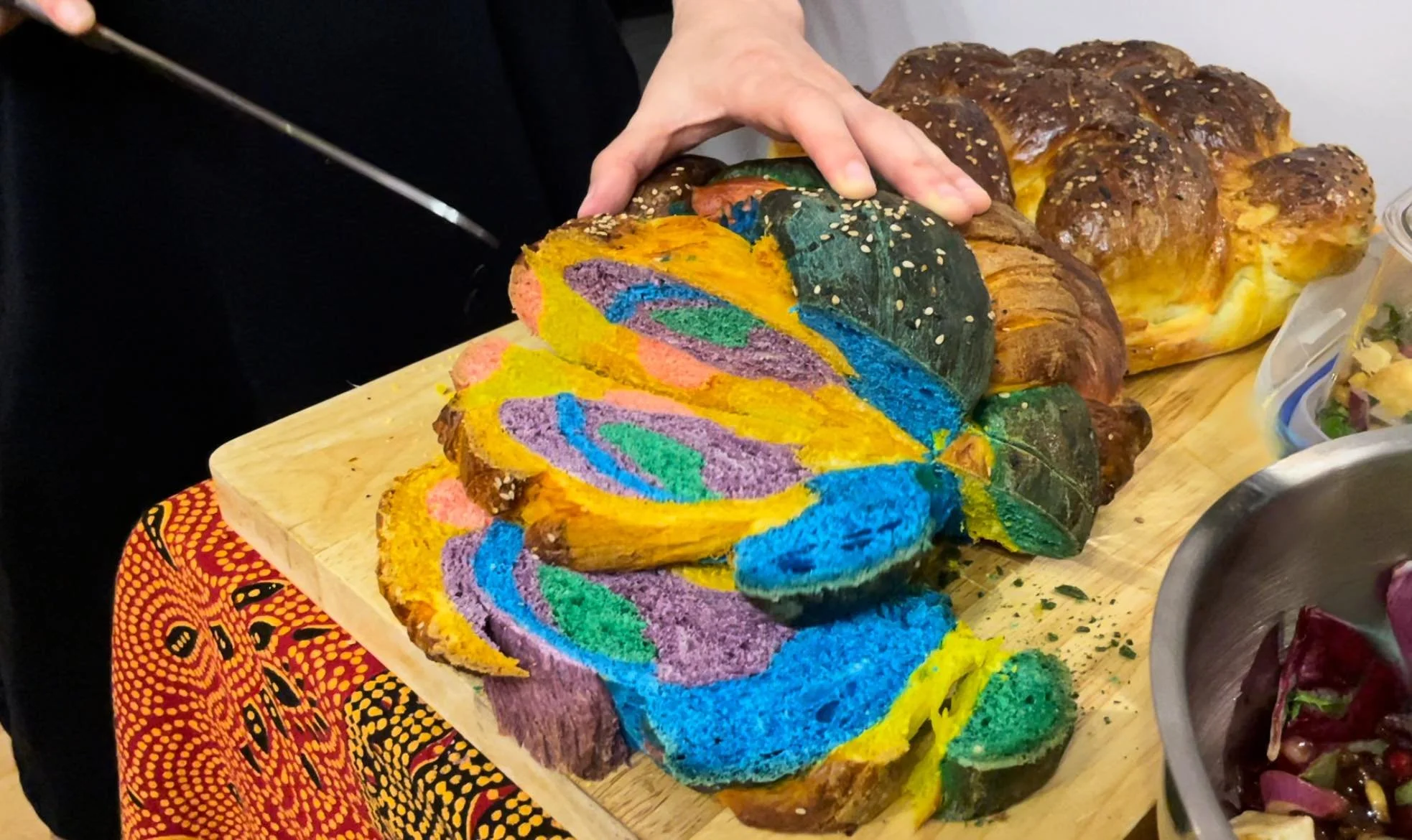
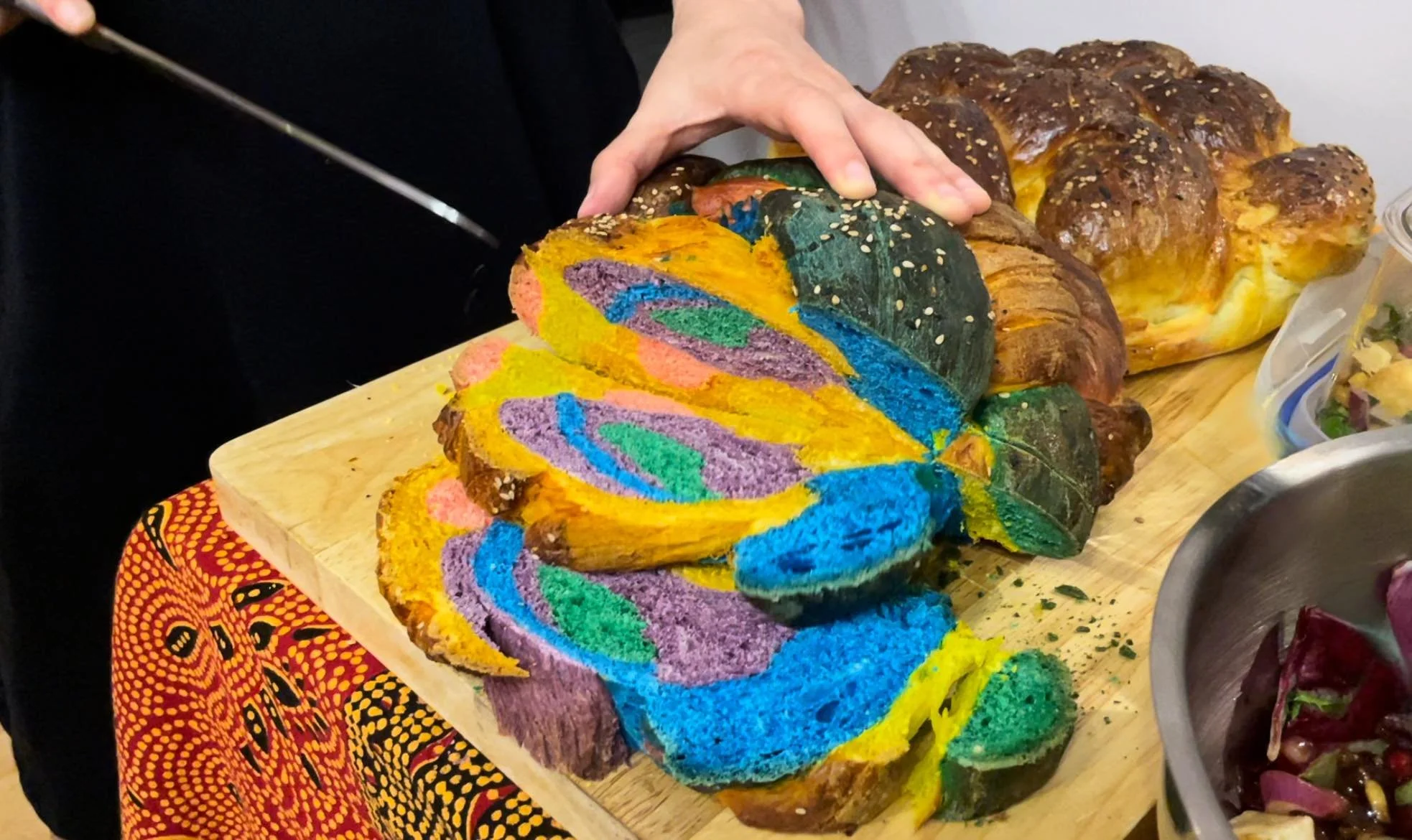
It’s uneasy times for all of us. But for just one day, I forgot these thoughts as I celebrated the Jewish new year with a lovely group of close friends in Shanghai. And with one of their 9-year-old daughters having hand-made challah like this, how could we not have a little hope in our hearts? 🌈 Here’s wishing everyone שָׁנָה טוֹבָה (Shanah Tovah), and I hope we can all find something to celebrate this year. 🙏
For the Instagram version, see here.
For the Facebook version, see here.
World-Class New York
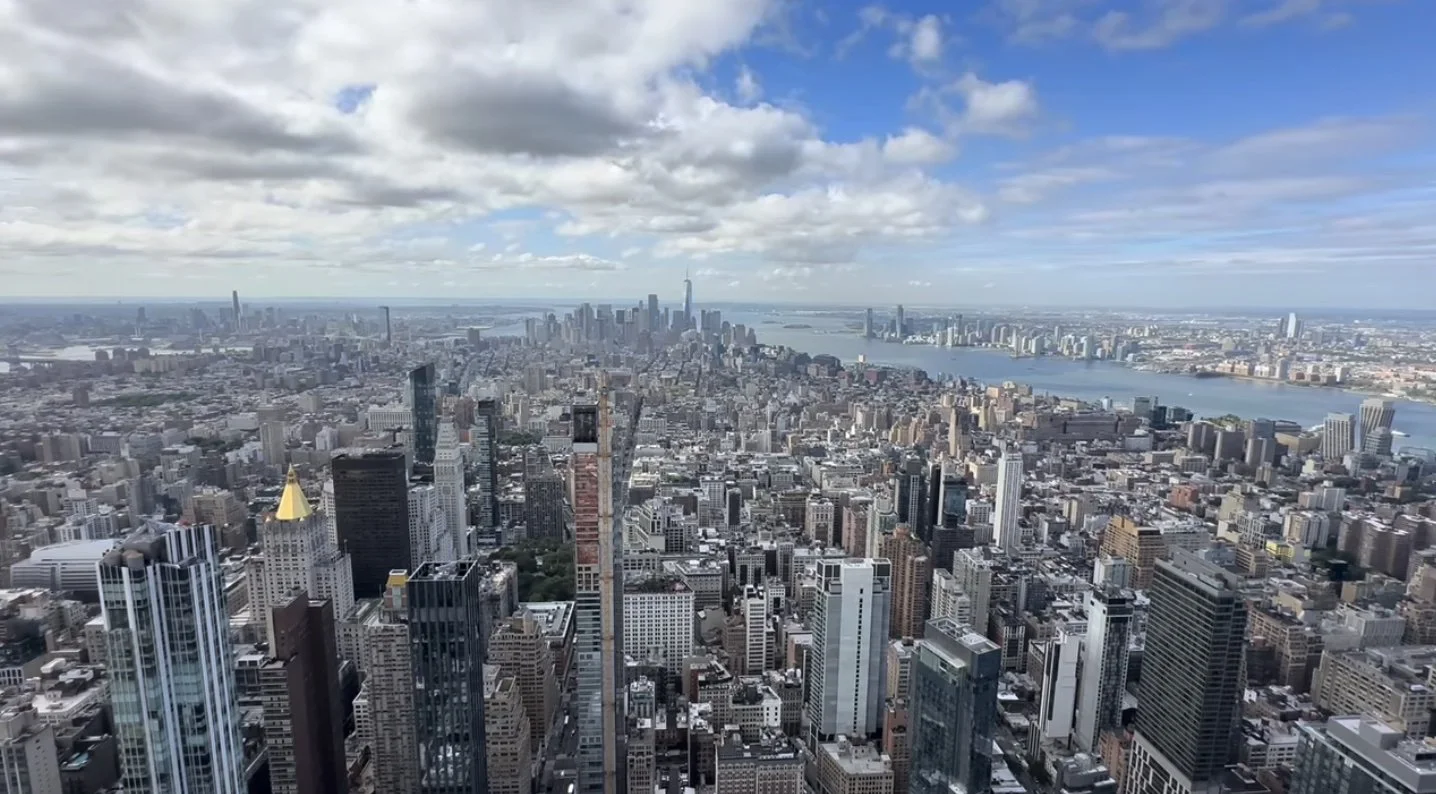
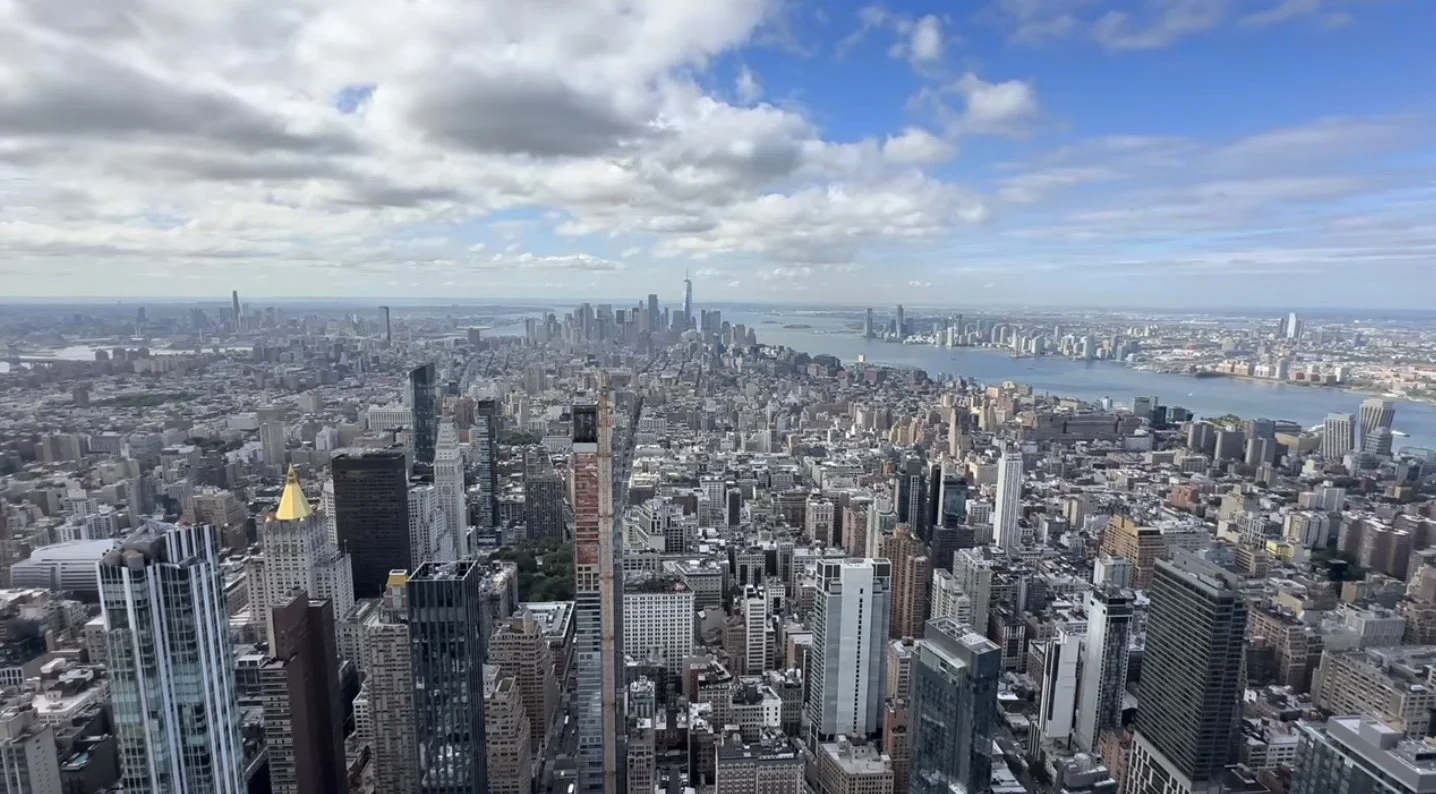
As holiday destinations go, you can’t get more mainstream than New York. But it’s mainstream for a reason. It has an energy that comes close to our home city of Shanghai: the pace, the scale, the over-commercialism, the overstimulation, the glitz/grime, the impatience, and the surprise encounters with people you pass on the street. But more than that, New York has the kind of diversity that other places simply cannot match. The locals complain that it’s changing too fast, becoming too homogenised. They’re probably right. But it’s still got way more going for it than most other places that impudently call themselves world-class global cities.
New York is THE global city, so it’s only natural that so many of my global community are either based here, or have recently gravitated here from Asia. I only realised exactly how many this was when they all agreed to drop in to a small bar in Hell’s Kitchen. The evening was a timely reminder that those reports of New York’s demise are wildly overblown. And that those of New York’s high cost of living… are not. 💸😬
For the Instagram version, see here.
For the Facebook version, see here.
For the YouTube version, see here.
For the LinkedIn version, see here.
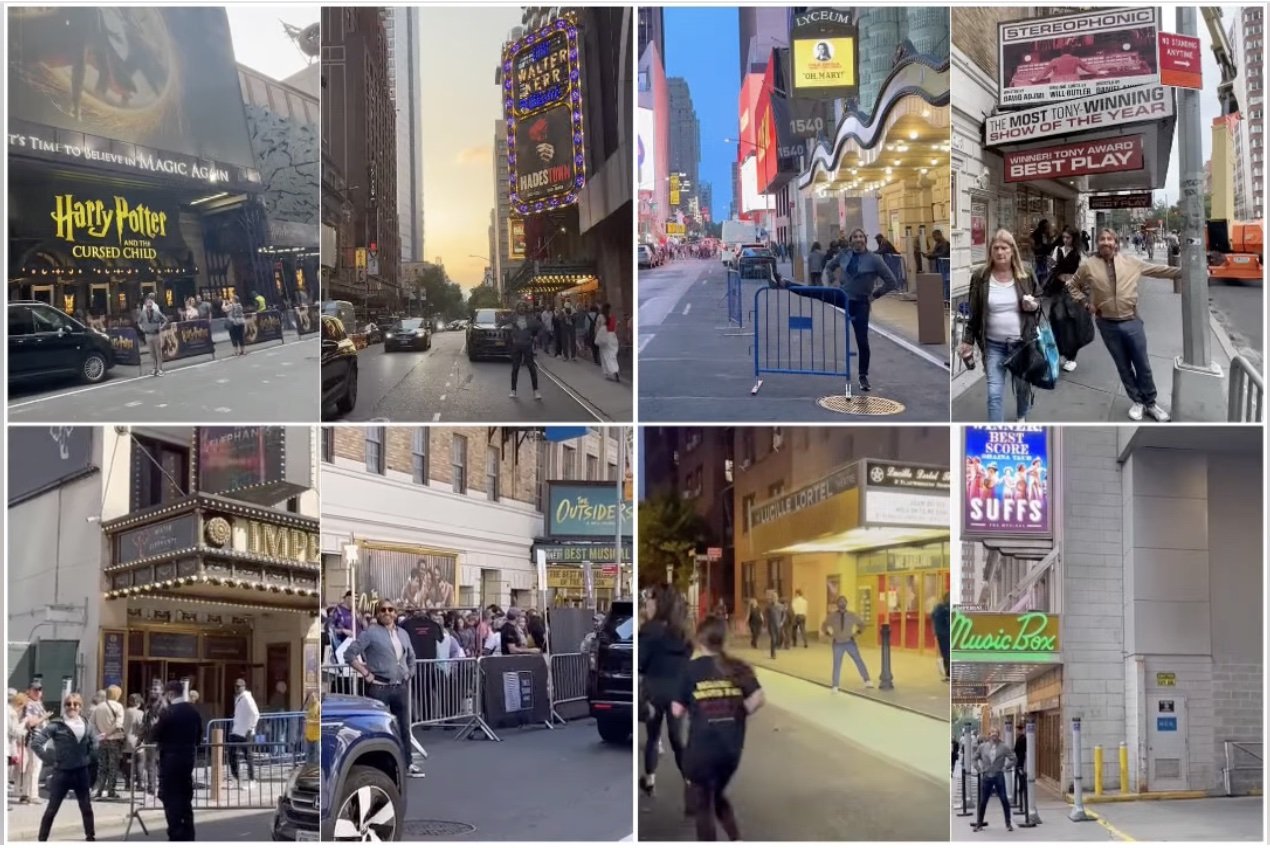
Eight Shows in Eight Days
As part of Denny’s job, he really should be keeping abreast of what’s happening on Broadway. So after eight years away from New York, it was only fair that he got to fill his birthday week with eight (yes, EIGHT) Broadway shows. We did four plays, and four musicals. My only request in return was that he did eight ridiculous videos, one outside of each venue. You’re welcome.
Also, here are my ill-informed reviews of each show, listed from my least to most favourite. You’re also welcome.
LEAST FAVOURITE
8 - Harry Potter and the Cursed Child (Play)
Some mesmerising stagecraft, but otherwise just a cynical money-grab with a tiresome storyline and all the spiritual edification of a wet Big Mac. And DO NOT get me started on the excruciating British accents of literally every cast member, I will punch a wall.
GOOD
7 - Hold on to me Darling (Play)
My first time seeing a preview show, so it was interesting seeing the actors still a little shaky with their lines, especially when one of them was Adam Driver. But it was a good play about a man with an over-inflated sense of self-importance who makes a string of questionable life decisions. RELATABLE. Plus we got to see Adam Driver practically naked in his panties.
6 - Oh, Mary! (Play)
Farcical, deranged and silly, this play was the perfect antidote to all the lavish high-production musicals on this list. Personally, I found the general gist of high-status-people-saying-low-status-things a little predictable. But there’s no denying that it was an absolute joy to watch the comedy timing of Cole Escola and the rest of the cast.
5 - Water for Elephants (Musical)
Because it’s not enough for Broadway actors to just act, sing and dance, this show has acrobatics and puppetry too. Can’t help but be enchanted by the whole thing. It’s not higher on my list because while the music and lyrics were OK, they weren’t as inventive or memorable as other musicals.
4 - Suffs (Musical)
If you’re going to put on a conventional musical without too many flashy gimmicks, it had better be pretty much perfect. And this was. Great music, simple yet vibrant scenery, and a story based on women’s suffragists which could be applied to any multi-generational liberal movement.
BEST
3 - Stereophonic (Play, with music)
Yes, it’s a freakishly immersive portrayal of a band trying to record an album in the 70s. But what it’s really about is the frustration, claustrophobia, perfectionism, insanity, tension, euphoria, jealousy, futility and all-round relentlessness of any small-group endeavour. I know that’s too many words, but it was a three-hour play with all those things. And I HARD RELATE.
2 - The Outsiders (Musical)
Visceral and violent, with stunning lighting effects. Then poignant and heartbreakingly beautiful. Transported me straight back to the confused and slightly tormented 13 year-old boy who studied the book in Mr Cliff-Hodges’ English class. Stay gold, Ponyboy…
1 - Hadestown (Musical)
Intimate, so so intimate. Also clever, sexy, funny, the whole spectrum of human emotion that you would expect from a 2,000-year old classical Greek tragedy brought to life. And performed with the kind of talent that can touch your soul with the raise of an eyebrow. Just wow.
For the Instagram version, see here.
For the Facebook version, see here.
Two Observations about Dubai
Two quick observations from two days in Dubai.
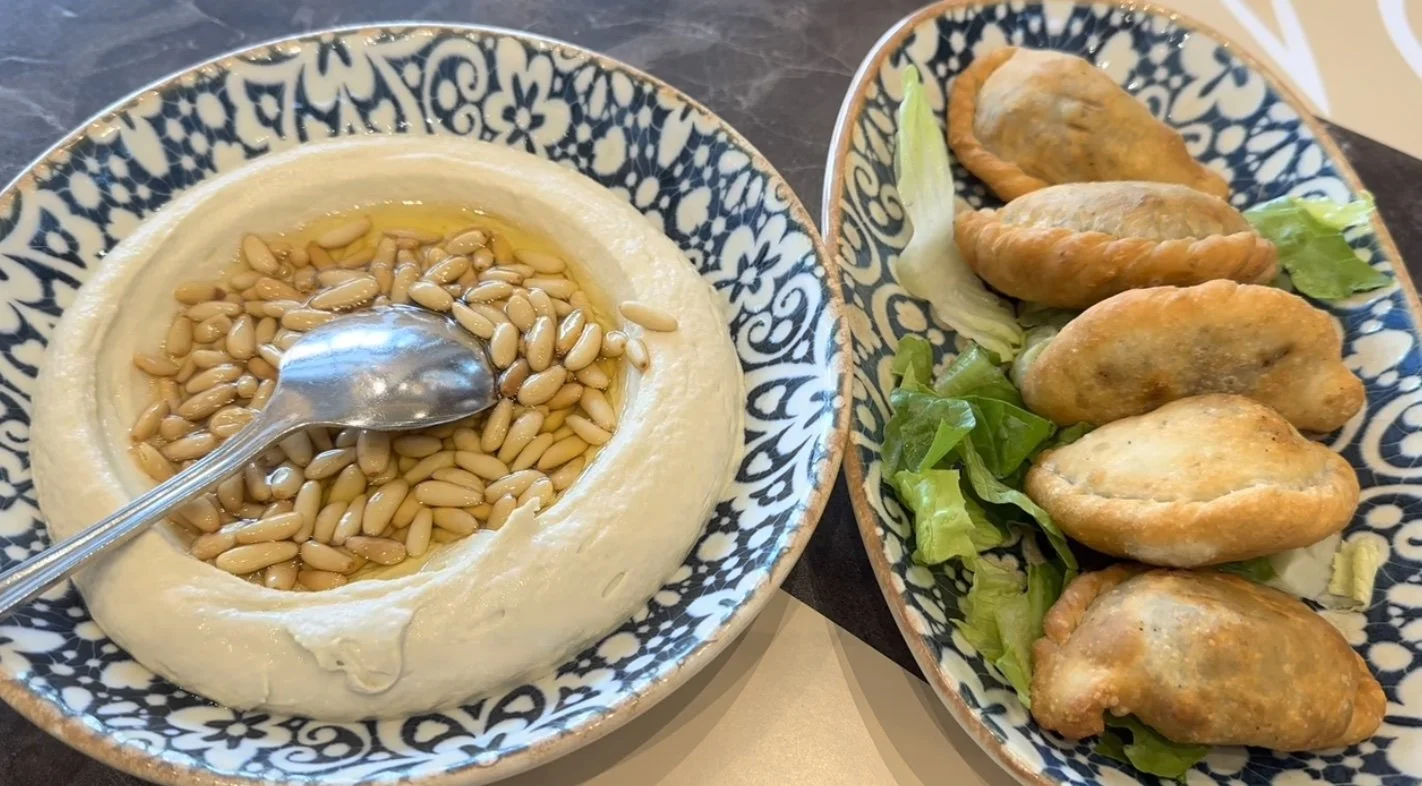
It was my first time back to Dubai in many years, but luckily I still know some great people here. And it was fascinating to take the temperature on how things have been changing. Sure, everywhere has its downsides, and Dubai is no exception. But in a world where openness and diversity seem to be in retreat, Dubai has clearly been steadily moving in a progressive direction. Perhaps until now I’ve been guilty of only noticing all the glitz and the silliness of Dubai, and overlooking the fact that maybe its heart is in the right place…
While I enjoy taking the temperature figuratively, I’m not quite so keen on the literal version when the answer is 45°C. You might think that July is a crazy time to visit Dubai, and you’d be absolutely correct. But at the same time there are fewer people here in the summer, so crowds are thinner, queues are shorter, and traffic is lighter. Having largely stuck to indoor activities, I feel better off coming now rather than contending with the masses in February. So I’ve been one happy traveler, and especially grateful to everyone who went out of their way to say hello in person.
For the Facebook version, see here.
For the YouTube version, see here.
For the LinkedIn version, see here.
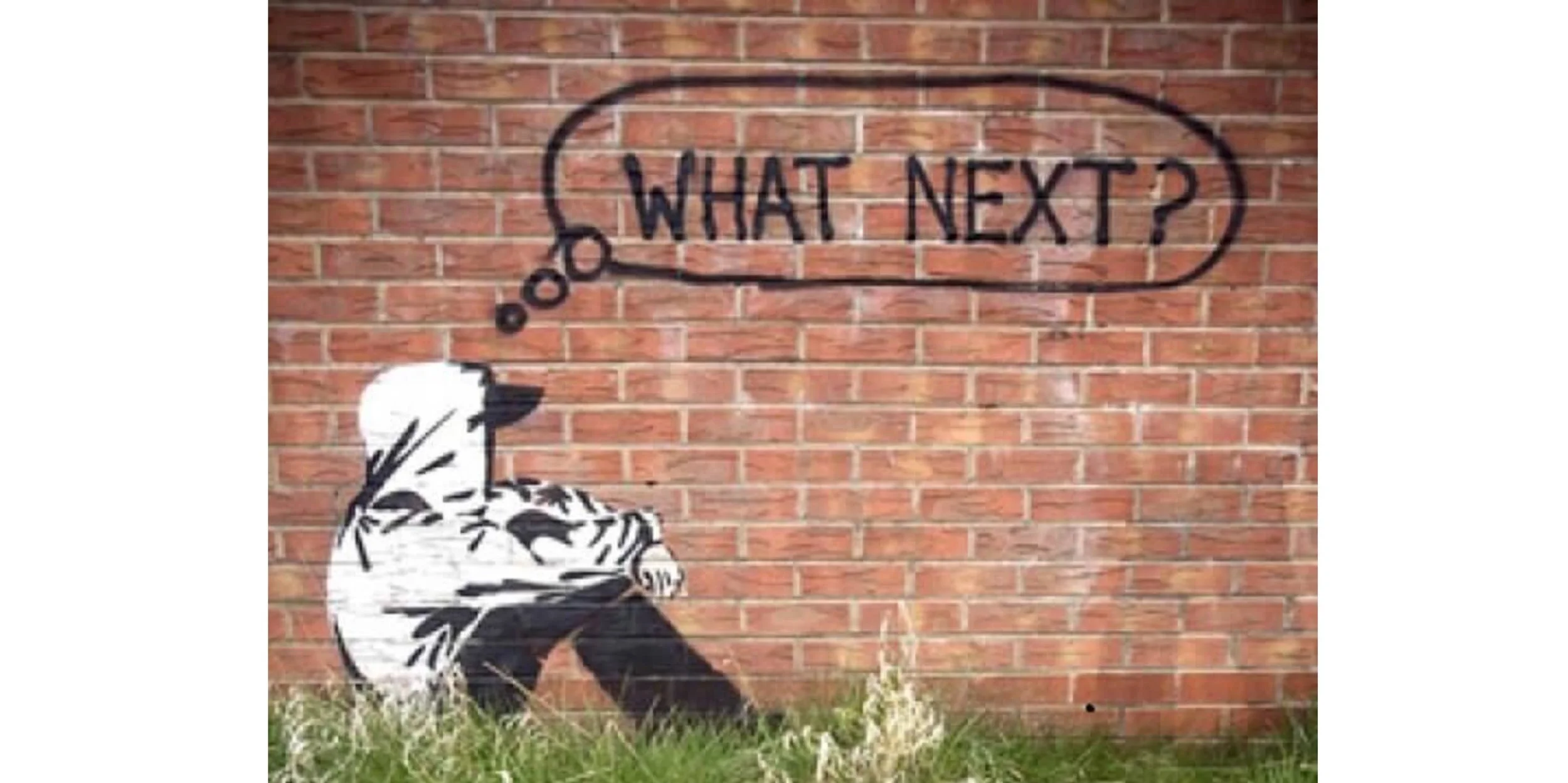
What Next?
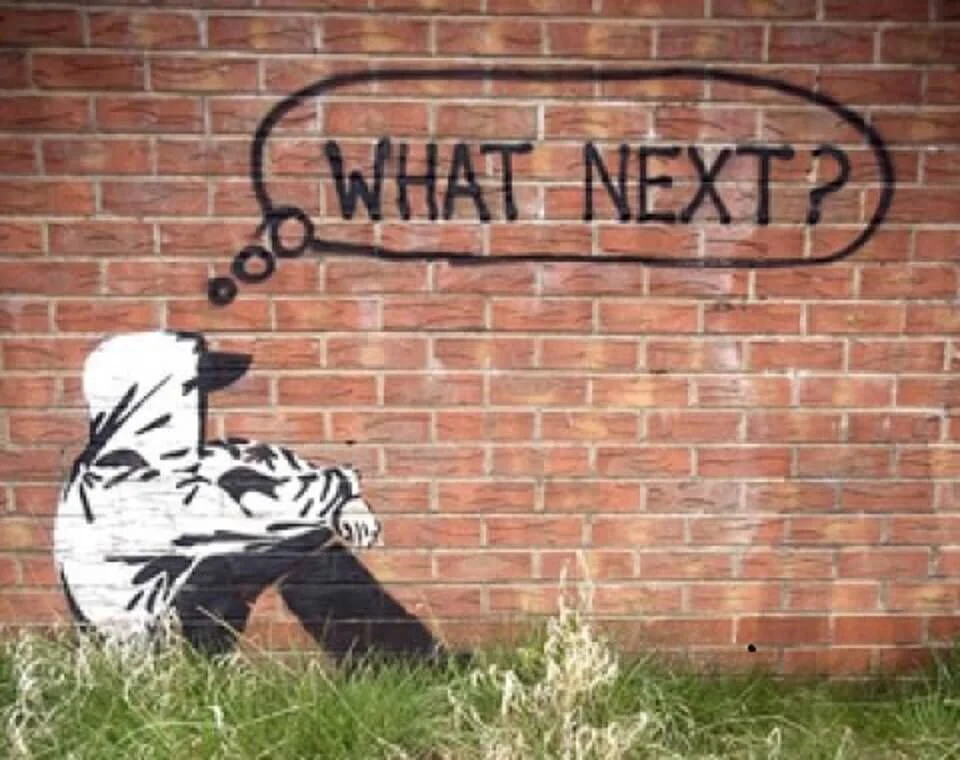
It’s nearly impossible to define a period while you’re sat right in it. But for us international folks in China, I would say that we’re all in a state of Chronic Contingency Planning.
When I first moved to Shanghai almost 10 years ago, the chapter in the book would read “The World Meets In China”. Why spend your life on a plane meeting clients at their Global Headquarters? Just sit in Shanghai and wait for them to inevitably come to you. That was a large part of the business case for me to be here in the first place. And now I find myself approaching a decade here, the longest I’ve spent in one place since I was a child.
Reflecting on the last six months, the chapter for today would read “What Happens Next?” My conversations with other foreigners are no longer repeatedly and concentratedly about how to manage China growth, China speed, China adaptation, China innovation. These days they are much more likely to veer onto the topics of overseas vacations, overseas promotion goals, overseas family and friendships, overseas retirement plans. We all continue to value our lives in China, and we’ve all chosen to stay here when many of our peers have left. But the razor sharp focus on China has gone. And I leave every conversation with the strong sense that all of us have one eye on the “What Next”.
On a personal note, I’ve been better than most in keeping up with the outside world, even as international platforms continue to be difficult to access from China. The Mosaic of China podcast has been an integral part of that, and I will continue to expand upon this project. But I’ve recently hit a mental block in releasing new episodes, and I attribute it to this state of Chronic Contingency Planning. Editing podcasts has become a joy in my life, I recommend it to anyone who needs to quieten their busy brains with hours of isolation and distraction. But these days I find myself needing to distract myself less, and spend more time crafting my own “What Next”. And it comes at a stage in my life when I’m also taking stock of a career spent making international connections, and re-engaging with the many people who have helped me reach this point.
It’s most likely that the answer to my own “What Next?” will be to continue as is for now. I still enjoy my life in Shanghai, both the rough and the smooth. But I’ve needed to take the time to make sure this is an actual choice, rather than just standing on the conveyor belt of the status quo. It’s taken weeks of self-examination to reach this point, but the words I’ve written today suddenly came to me fully formed when I woke up this morning. So I’m sharing them here in the hope that they resonate with you, whether you’re reading them in China or not.
For the Instagram version, see here.
For the Facebook version, see here.
For the LinkedIn version, see here.
Christmas in the Maldives
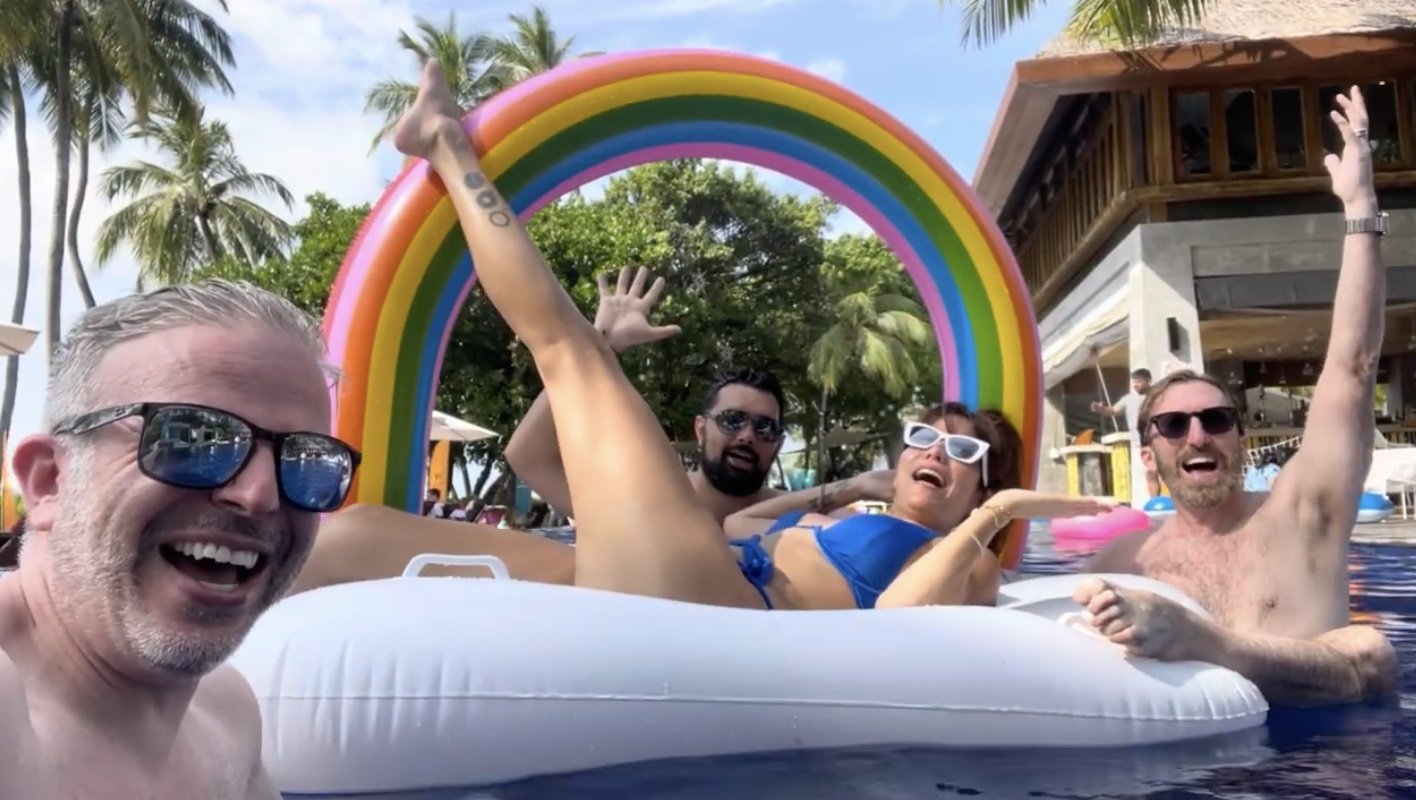
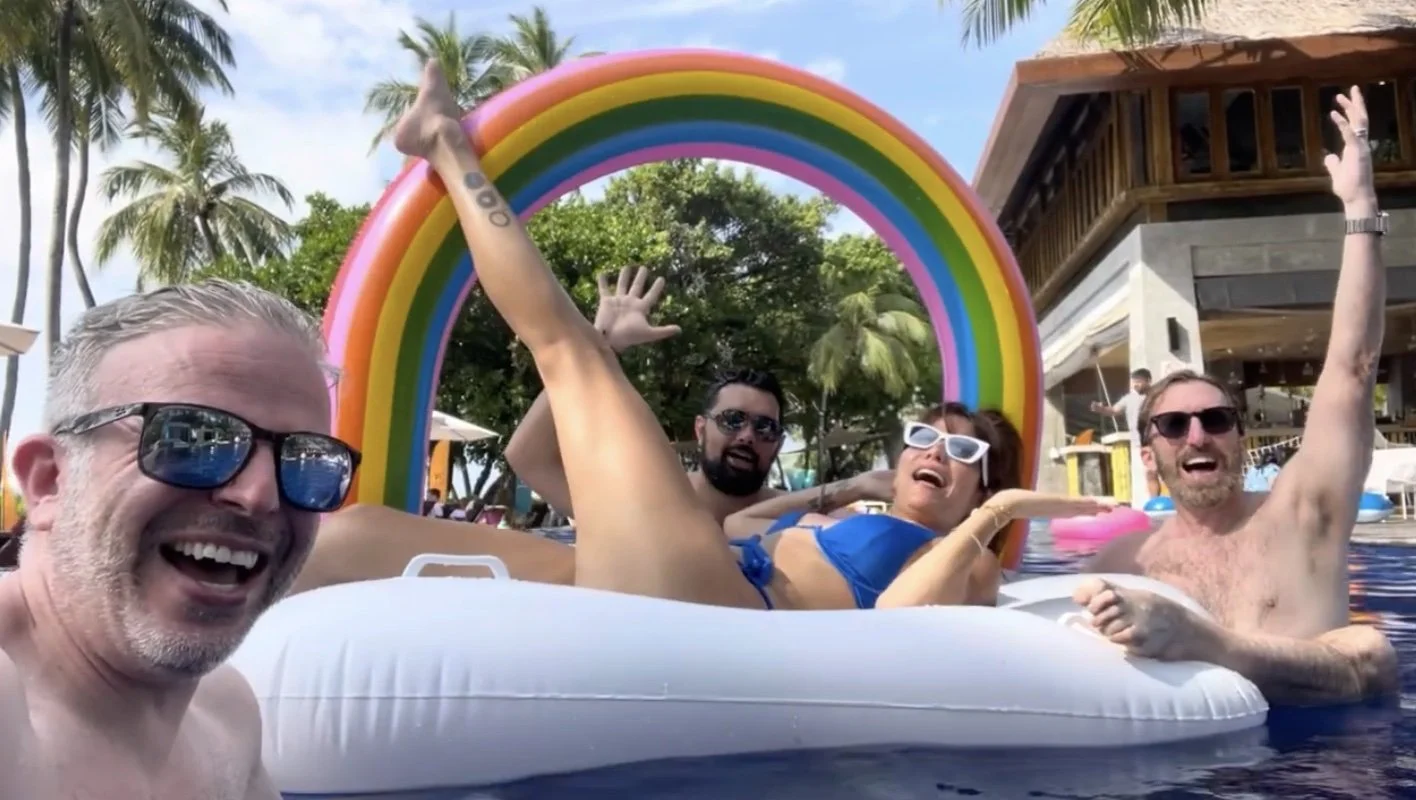
It’s not that easy to island-hop through the Maldives, because all the seaplanes fan out from the capital city, Malé. So once you’re at your resort island, you’re pretty much stuck there. As a restless traveler who bores easily, this was a bit of a concern. But as a restless traveler who also a) dislikes sand, lotion, and the mixture of sand and lotion; b) burns to a crisp after five minutes in the sun; c) usually avoids being in and out of water because of the constant juggle between contact lenses, glasses, sunglasses and prescription sunglasses; d) has yet to find a flip-flop that doesn’t chafe; e) has yet to find a swimming trunk that doesn’t chafe; f) is terrified of the open sea; and g) is even more terrified of spending money indulgently, I didn’t know which concern concerned me the most. So in the end, I decided not to worry about any of them.
🤓 Maldives Facts 🤓
🇲🇻 It’s the world’s flattest and lowest-lying country. 80% is only 1 metre above sea level, and the highest point stands at a whopping… 2 metres.
🇲🇻 It has the world’s highest national divorce rate. On average, a woman in the Maldives has divorced three times before the age of 30.
🇲🇻 The word ‘atoll’ comes from the Maldives. An atoll is a ring-shaped series of islands or reefs surrounding a lagoon. The Maldives consists of 1,192 coral islands grouped in a double chain of 26 atolls.
🇲🇻 Many of the smaller islands have a single purpose. For example one is a trash dump; another is for oil storage; another holds the prison.
🇲🇻 The alphabet used in the Maldives is called Dhivehi, and it’s unique. It looks like this: .ދިވެހި އަކުރު ތަފާތު ވެއެވެ. ހީވަނީ މިހެންނެވެ
🇲🇻 The Maldives is one of the world's most geographically dispersed countries. Many inhabitants on the very smallest islands have little contact with the outside world.
🇲🇻 All the famous white-sand beaches in the Maldives are the result of undigested reef material eaten by parrotfish.
For the Facebook version, see here.
For the YouTube version, see here.
Cultural Appropriation in China?
Living in China is the best way to ensure that your life is spent constantly tying yourself up into intellectual knots. My ‘quandary of the week’ this week was about cultural appropriation.
Let me set the scene. Cultural appropriation is a situation where someone from a dominant position in society inappropriately adopts a tradition from someone in a less dominant position. And we all know what this means through a European/American lens, a white person there is clearly trespassing on someone else’s culture if they inappropriately wear afro wigs, Sikh turbans or Native American headdresses, for example. But I can potentially see plenty of grey areas to this too. For example, is it cultural appropriation when someone who speaks with an accent from a more affluent part of a country adopts a regional accent from elsewhere? Or what about when a white person becomes a fan of hip hop - with its specific African American historical context - and then starts wearing clothes associated with that style? I guess the key aspect is in what kind of adoption is deemed ‘appropriate’ and ‘inappropriate’, and we can all see how these definitions can change as society progresses… or regresses.
In China, there’s an academic term for cultural appropriation, it’s 文化挪用 [wénhuà nuóyòng]. This is way above my conversational pay grade, so I have no idea how many people even know this oblique reference. I asked a few Mainlanders, Hongkongers and Taiwanese people in my circle, and even the ones who knew it didn’t really think it applied to China. So although the dominant culture here is the Han, there’s no reckoning that a Chinese Han person wearing clothes from a minority ethnicity could be deemed intrinsically inappropriate or offensive.
It is common practice here for Han Chinese tourists to take photos of themselves in local costumes when they visit areas populated by ethnic minorities. The people I asked told me that they wouldn’t associate this with the concept of cultural appropriation, and that the behaviour of the wearer was based on respectful curiosity, thousands of years of cultural intermingling, and a genuine appreciation of the aesthetic beauty of the garments. When I asked about what the minority ethnicities themselves might think about this, for most people it was the first time they had thought about it in that way. The ones who answered did so confidently, saying that the ethnic minorities aren’t offended. At the very worst, it was a kind of Chinese ‘cosplay’ done out of reverence rather than mockery.
It’s a tricky one to figure out, because China exists outside the specific history of colonialism and slavery that typifies the way we look at cultural appropriation in Europe and the Americas. So it’s inaccurate to do a like-for-like comparison, and I try not to impose my own cultural baggage onto anyone else. What muddies the waters further is that the government in China has made a point of pushing the narrative of 和谐 [‘harmony’] between Han Chinese and the other 55 officially-recognised ethnicities in China, so anything that speaks against this is seen as political sacrilege. So there’s zero chance that I could witness an open debate about this, even if my Mandarin skills were up to it. Which they most definitely aren’t.
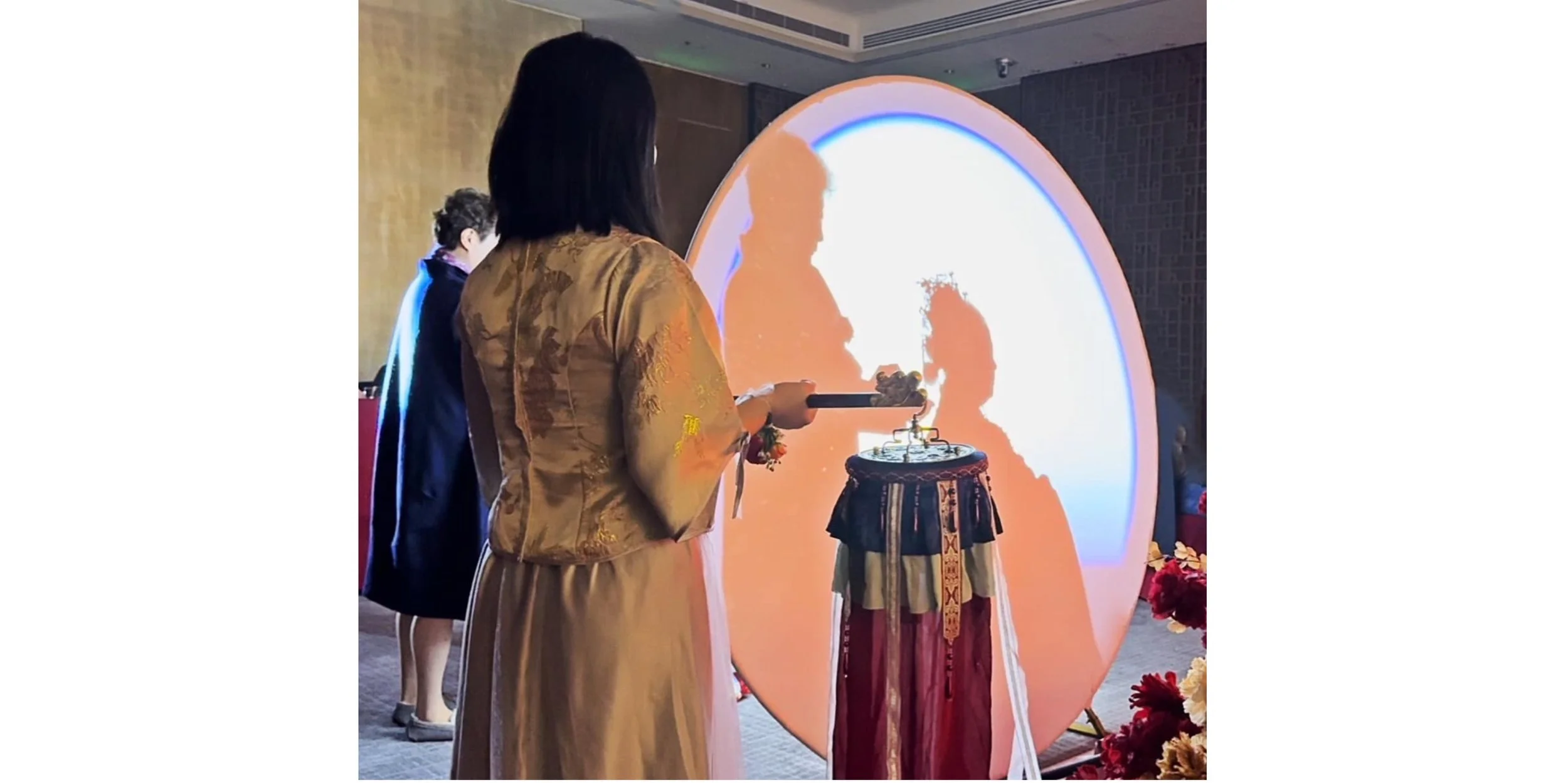
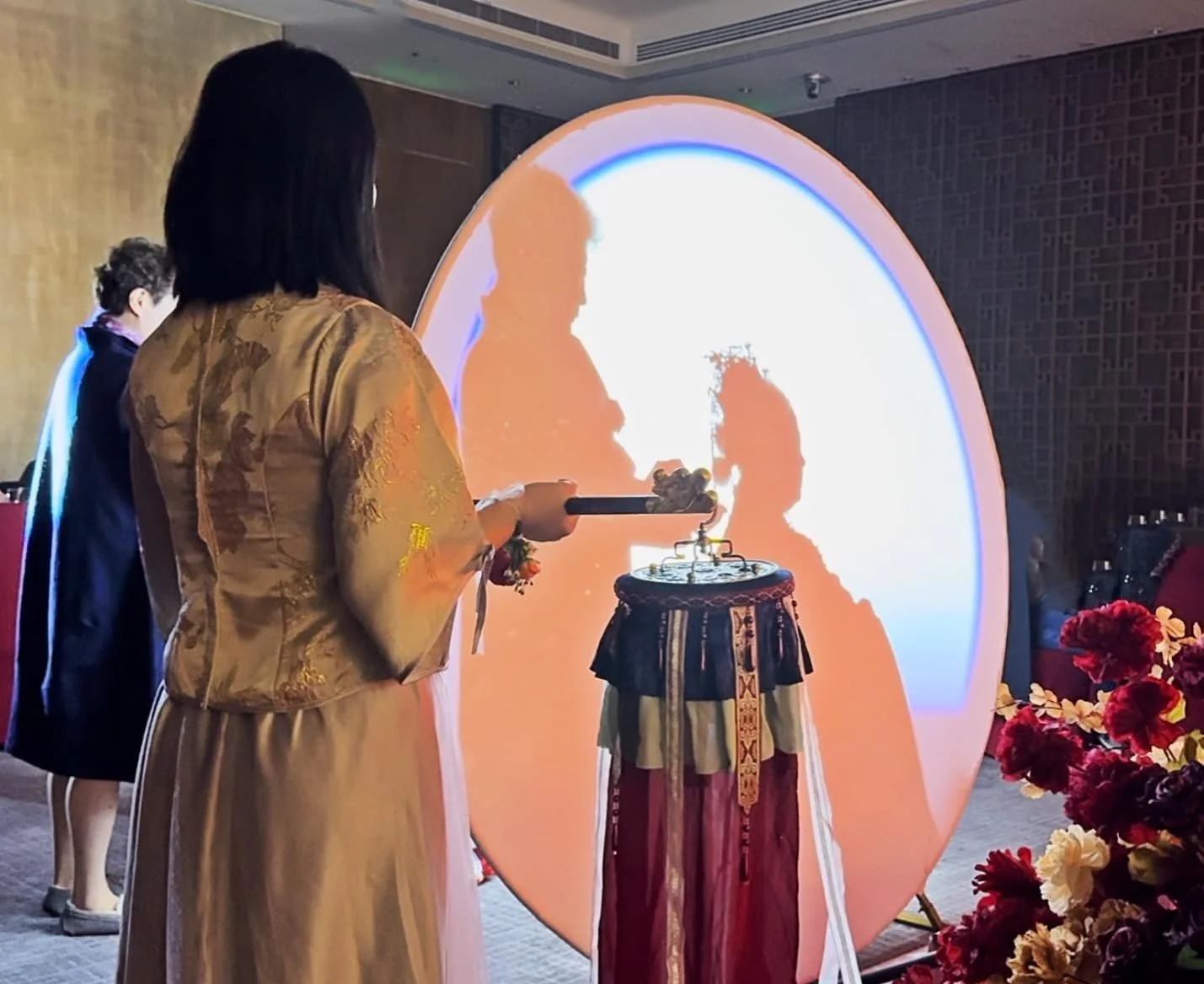
Now we’re getting to my quandary of the week. We had been invited to a traditional Chinese wedding, which in itself is quite rare in Shanghai. Most people these days have modern weddings which would be recognisable to anyone around the world. But this was very different, the bridal party were all dressed in amazing traditional attire and performed a variety of ceremonies that harked back to rites of old. So in a way, the wedding was a sort of traditional Chinese ‘cosplay’, where our fellow Chinese guests were dazzled to a rare experience in just the same way as we were. With this in mind, we had been told that the bride would appreciate if we respected the occasion, and were encouraged to wear formal Chinese attire.
I’ve lived in China for almost a decade, and have made a point of never wearing anything traditionally ‘Chinese’, lest it be misconstrued as a disrespect to my host country. Yet we were convinced that this was clearly a case of ‘appropriateness’, so we bit the bullet and got some Chinese-style suits made. That would have been the end of this anecdote, were it not for what happened on the night of the wedding. Luckily we arrived early, so we were able to see guests as they trickled into the venue. And it soon became clear that there had been a massive miscommunication. None of the other guests were wearing anything approaching traditional Chinese clothing. In fact, many of them appeared to be wearing clothes that they had worn earlier that day. We’re talking jeans, even sweatpants. Meanwhile I was sat there looking like a poor imitation of Sun Yat-Sen.
We solved the issue by quickly removing our jackets, and we were able to blend in with the other guests a little easier. But not before we were noticed by the bride and groom themselves, who both greeted us with straight faces. One day I would like to get them drunk and ask them what they truly thought about our ridiculous appearance. I hope it will become a funny family anecdote that they can tell their kids in the future. But until then I will add this to the countless other embarrassments that seem to have constituted my life up till today.
If there is any moral to this story, let it be this. The definition of cultural appropriation can indeed change over time, perhaps even in China. Sometimes it takes a generation, and sometimes it literally takes FIVE MINUTES OF TESTICLE-SHRINKING TORTURE. So when in doubt, don’t be an arse, and wear your regular clothes.
For the Instagram version, see here.
For the Facebook version, see here.
For the LinkedIn version, see here.
Human Dignity
I live a privileged life. So when it comes to the marketplace of opinions, I tend to do more listening than talking. But unlike other privileged people, I have the experience of living in a place which gives me a tiny sliver of insight into what it feels like to be a minority. To be a migrant. And to be at the receiving end of a system that doesn’t care one jot about me. To feel - on a visceral level - that my human dignity can be taken away at the whim of the authorities. And to value my privilege all the more, versus those whose human dignity is crushed on a daily basis, and in their own place of birth.
I have family living in Israel, and I’m the grandchild of holocaust survivors. So I feel a deep heartbreak about the utterly reprehensible actions of Hamas this week. I don’t even know what words to use. Inhuman, sadistic, diabolical? None of them feel strong enough. But ‘heartbreak’ is certainly the right word. That’s not just a poetic flourish, I can literally feel the pain in my chest right now for every Israeli. However, that’s not the only pain I can feel. I can also feel the heartbreak of a Palestinian who lives a life hopelessly lacking in human dignity. There are no words to describe what ‘burning indignity’ feels like. If you don’t know what I’m talking about, just try to imagine a cocktail of rage, fear and despair. The taste is disgusting and ineradicable.
I’m writing this because I have both Jewish and Muslim people in my circle, Israelis and Palestinians. Like you, I can’t personally solve one damn thing. But what I can do is somehow put into words the complex feelings that I’m experiencing, and affirm that it is possible to sit with these two heartbreaks at the same time. Some of you will feel that it’s too soon for this privileged and out-of-touch liberal to ‘both sides’ the argument from his life of relative luxury in Shanghai. While there are people still in the desperate throes of grief. While there are still innocent hostages whose lives are in the balance. You know the taste of human indignity, and I’m truly sorry for offending you by writing this now. But now is exactly the time when the temptation to dehumanise the ‘other side’ is most enticing. I despise the posts I’m reading that justify the Palestinian cause without any reference to the despicable acts of Hamas, whose charter seeks to eradicate and erase every living Israeli. But I also abhor those who would cast all Palestinians as barbaric monsters, whose lives aren’t worth a scrap.
I live a privileged life. And I can’t solve a damn thing. But I can put into words the complex feelings that I’m experiencing.
For the Instagram version, see here.
For the Facebook version, see here.
For the LinkedIn version, see here.